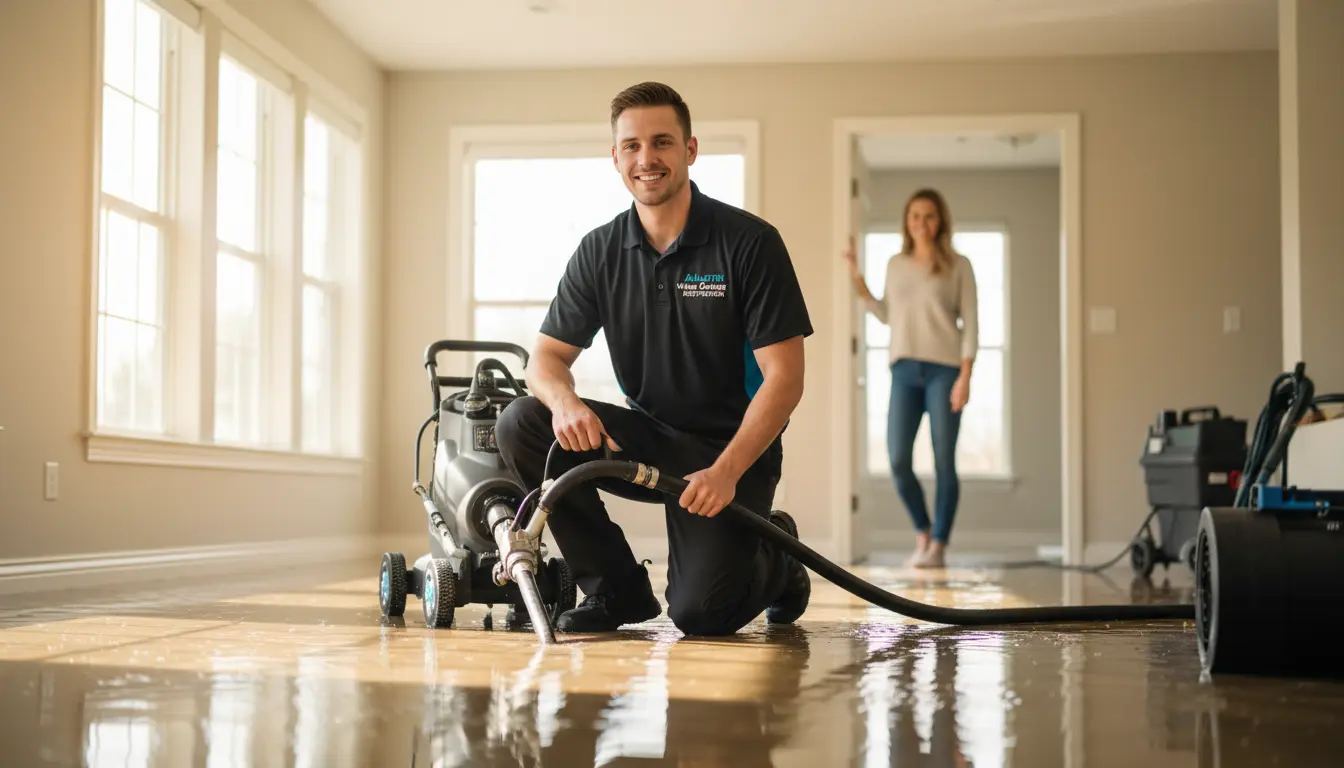
Is water damage restoration covered by insurance in Arlington, TX? As a homeowner, navigating the complexities of insurance coverage is as critical as the restoration itself. In Arlington, sudden pipe bursts, seasonal storms, and appliance failures are common, yet the success of your claim often hinges on your “duty to mitigate”—your legal obligation to stop the damage from spreading. Understanding your policy’s nuances ensures you aren’t left paying out-of-pocket for structural repairs and professional recovery services.
Why Prompt Restoration Matters for Your Claim
Insurance carriers in North Texas operate under strict guidelines. While sudden and accidental water discharge is typically covered, damage resulting from neglect or delayed response is often denied. In Arlington’s humid climate, mold can begin to colonize saturated materials within 48 hours. If an adjuster determines that you waited too long to call for help, they may classify the loss as “gradual damage,” which is a leading cause for claim rejection. Review our ultimate guide to water damage restoration in Arlington, TX to understand the critical timelines involved.
Signs of Coverage-Essential Damage
To secure your claim, you must identify and document the intrusion immediately. Beyond obvious puddles, you must watch for localized humidity spikes, yellowing ceiling stains, and baseboards pulling away from the wall. These are the markers adjusters look for when verifying a sudden loss. For a deeper look at identifying secondary threats, visit our 5 signs of hidden water damage in Arlington homes page.
The Professional Claims and Mitigation Process
Our team doesn’t just dry your home; we stabilize the environment to satisfy insurance requirements. By following IICRC (Institute of Inspection, Cleaning and Restoration Certification) standards, we provide the psychrometric data and documentation that adjusters require to justify the cost of full structural drying. This process includes:
- Moisture Mapping: Using thermal imaging to prove the water’s migration path.
- Extraction & Drying: Removing standing water and using LGR dehumidifiers to pull bound moisture from studs.
- Sanitization: Ensuring Category 2 and 3 water (sewage or runoff) is professionally decontaminated.
Performance Impact and Value
Utilizing industrial-grade technology doesn’t just save your home; it saves your budget. Professional restoration can reduce total repair costs by up to 50% by salvaging original materials rather than forcing a total tear-out. The table below highlights the extreme performance advantage of engineered structural drying.
| Recovery Metric | Without Mitigation | With Professional LGR Drying | Improvement Outcome |
|---|---|---|---|
| Active Drying Timeline | 72+ Hours | 24 to 48 Hours | 66% Faster Recovery |
| Structural Moisture Content | 80% (Saturated) | < 15% (Dry Standard) | Prevents Dry Rot and Warp |
| Final Repair Costs | $10,000+ | $5,000 Average | 50% Financial Savings |
Pricing Factors and Claims Logistics
The cost of mitigation in the DFW area varies based on the water “Category” (Clean vs. Contaminated) and the “Class” of damage (the amount of evaporation required). Standard rates range from $3 to $7 per square foot. However, the cost of *not* acting is always higher. For a detailed breakdown of financial impacts, review the shocking stats on water damage costs in the DFW area.
Security, Safety, and Common Mistakes
Water intrusion introduces immediate, lethal hazards. Submerged electrical outlets create extreme electrocution risks, and stagnant water becomes a biohazard breeding ground. The most common mistake Arlington homeowners make is using household fans. Standard fans simply move wet air around, which can lead to secondary damage on upper cabinetry and ceilings. You must use LGR dehumidifiers to physically extract the vapor from the air.
Advanced Frequently Asked Questions
Shut off the main water valve and the electricity to the affected area. Then, take high-resolution photos for your adjuster before any water is removed. Documenting the “before” state is vital for your claim.
With industrial extraction and LGR dehumidification, most standard rooms return to their “dry standard” within 2 to 4 days. Highly porous materials or delayed response times may extend this timeline.
In most cases, yes. Standard policies cover the cost of professional mitigation to prevent further damage. In fact, most carriers prefer you work with certified teams to ensure the job is done to IICRC standards, which limits their long-term liability.
Do not let amateur cleanup or delayed action compromise your property’s structural integrity or your insurance claim. If you are dealing with a leak or flood, fast action is your only defense against compounding losses. Contact our 24/7 rapid response team today for a free assessment, and let our certified experts secure your home and your claim.