
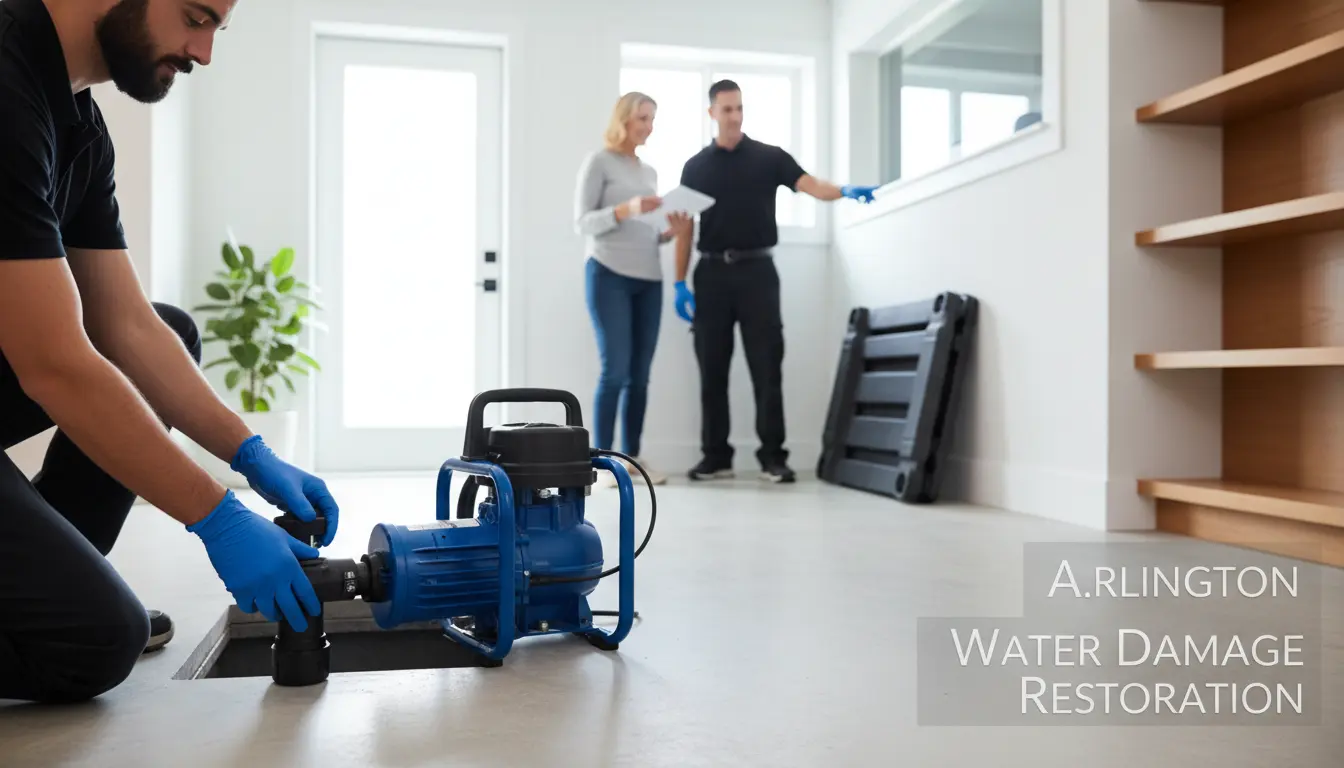
Living in Arlington, Texas, means enjoying a vibrant community, great entertainment options, and proximity to the Dallas-Fort Worth metroplex. But it also comes with its share of weather challenges, including heavy rains and flash flooding, especially during spring and fall storms. If you’ve ever watched water creep into your basement or overflow your yard after a downpour, you know the heartbreak of flood damage. At Arlington Water Damage Restoration, we’ve seen firsthand how quickly water can turn a cozy home into a nightmare. The good news? Prevention is key, and with the right strategies, you can protect your property from costly water intrusion.
In this guide, we’ll walk you through practical, actionable steps to prevent flood damage tailored to Arlington’s unique climate and geography. Whether you’re in Downtown Arlington or near Lake Arlington, these tips will help you stay one step ahead of the next big storm. Let’s dive in and keep your home dry.
Understanding Flood Risks in Arlington
Arlington’s location in the Trinity River basin makes it susceptible to flooding from both river overflows and urban runoff. Heavy rainfall can overwhelm storm drains, particularly in low-lying areas like South Arlington and West Arlington. According to local weather data, the city experiences an average of 38 inches of rain annually, with occasional intense storms that lead to flash floods.
Common Causes of Flooding
Flooding in Arlington often stems from:
- Heavy Rainfall and Storms: Thunderstorms can dump several inches of rain in hours, overwhelming drainage systems.
- Poor Drainage: Clogged gutters, blocked storm drains, and improper grading around homes contribute to water pooling.
- River and Creek Overflow: Proximity to the Trinity River and local creeks like Village Creek increases risks during high water events.
- Urban Development: Impervious surfaces like concrete in commercial areas exacerbate runoff.
By identifying these risks early, you can implement targeted prevention measures. If your property shows signs of water issues, consider our moisture detection services to assess hidden vulnerabilities before they worsen.
Elevate Your Home’s Defenses: Structural Prevention Tips
The foundation of flood prevention starts with your home’s structure. Simple modifications can make a big difference in keeping water at bay.
Improve Grading and Landscaping
Ensure your yard slopes away from your foundation at a rate of at least 1 inch per foot for the first 6 feet. In Arlington’s clay-heavy soils, this prevents water from seeping into basements or crawl spaces. Plant water-absorbent vegetation like native grasses or install French drains to redirect runoff. For properties in flood-prone Lake Arlington, raised landscaping beds can act as natural barriers.
Install Sump Pumps and Backflow Valves
A reliable sump pump is essential for basements in Downtown Arlington. Choose a battery-backed model to handle power outages during storms. Additionally, backflow preventers on sewer lines stop sewage from backing up into your home during heavy rains—a common issue in older Arlington neighborhoods.
Seal and Waterproof Foundations
Cracks in your foundation can invite water inside. Use hydraulic cement or epoxy sealants to fill gaps, and apply waterproof coatings to exterior walls. For comprehensive protection, elevate utilities like HVAC systems and electrical panels above potential flood levels, as recommended by FEMA for Arlington’s flood zones.
If water has already infiltrated, our emergency water extraction team can respond quickly to minimize damage.
Maintain Your Property: Everyday Habits to Avoid Floods
Prevention isn’t just about big projects—daily and seasonal maintenance plays a crucial role.
Clean Gutters and Downspouts Regularly
Clogged gutters are a leading cause of water damage in Arlington homes. Aim to clean them twice a year, or more if you have mature trees nearby. Install gutter guards to reduce debris buildup, and extend downspouts at least 5 feet from your foundation to direct water away effectively.
Inspect and Maintain Drainage Systems
Check storm drains and culverts around your property, especially after heavy rains. In West Arlington, where development has altered natural drainage, clearing leaves and sediment from ditches can prevent backups. If you notice persistent pooling, professional flood cleanup services might be needed post-storm, but proactive checks save time and money.
Secure Outdoor Items and Windows
Before a storm hits, move patio furniture, grills, and trash cans indoors or to higher ground. Install flood vents in crawl spaces to allow water to flow through rather than build pressure against walls. In Arlington’s windy conditions, reinforce windows with shutters to prevent secondary damage from debris.
Prepare for the Worst: Emergency Planning and Insurance
Even with the best prevention, Mother Nature can surprise us. Being prepared ensures minimal impact.
Create a Flood Emergency Kit
Stock up on sandbags, tarps, plywood, and a generator. Include essentials like flashlights, batteries, and non-perishable food. For Arlington residents, monitor local alerts from the city’s emergency management via the Arlington Alert system.
Review Your Insurance Coverage
Standard homeowner’s policies often exclude flood damage, so consider adding flood insurance through the National Flood Insurance Program (NFIP). Arlington participates in the Community Rating System, which can lower premiums for proactive homeowners. If mold develops post-flood, our mold inspection removal services can help with remediation.
Evacuation and Response Plan
Know your evacuation routes, especially if you’re near the Trinity River. Designate a family meeting point and keep important documents in a waterproof safe. Post-flood, avoid walking through standing water to prevent electrical hazards.
FAQ: Common Questions About Flood Prevention in Arlington
1. How often should I inspect my home for flood risks?
Regular inspections every six months, plus after major storms, are ideal. Focus on foundations, gutters, and drainage in Arlington’s variable weather.
2. What if I live in a flood zone in South Arlington?
Properties in designated flood zones require elevated structures or barriers. Consult FEMA maps and consider professional assessments from Arlington Water Damage Restoration.
3. Can landscaping really prevent flood damage?
Yes! Strategic planting and grading can absorb up to 30% more water. Native Texas plants like buffalo grass are low-maintenance and effective.
4. What should I do immediately after a flood?
Turn off electricity, avoid contaminated water, and call professionals for carpet water restoration to prevent mold growth.
5. Is flood insurance worth it in Arlington?
Absolutely, given our flash flood history. It covers what standard policies don’t, providing financial security.
Conclusion: Take Control of Your Arlington Home’s Future
Preventing flood damage in your Arlington property doesn’t have to be overwhelming. By understanding local risks, making structural improvements, maintaining your home diligently, and preparing an emergency plan, you can significantly reduce the threat of water damage. At Arlington Water Damage Restoration, we’re committed to helping Arlington families stay safe and dry. Whether you need preventive advice or emergency water extraction after a storm, our team is here for you.
Don’t wait for the next rain to test your defenses—contact Arlington Water Damage Restoration today for a free consultation. Protect your home, your investment, and your peace of mind. Call us now at (817) 670-9404 or visit our website to get started.