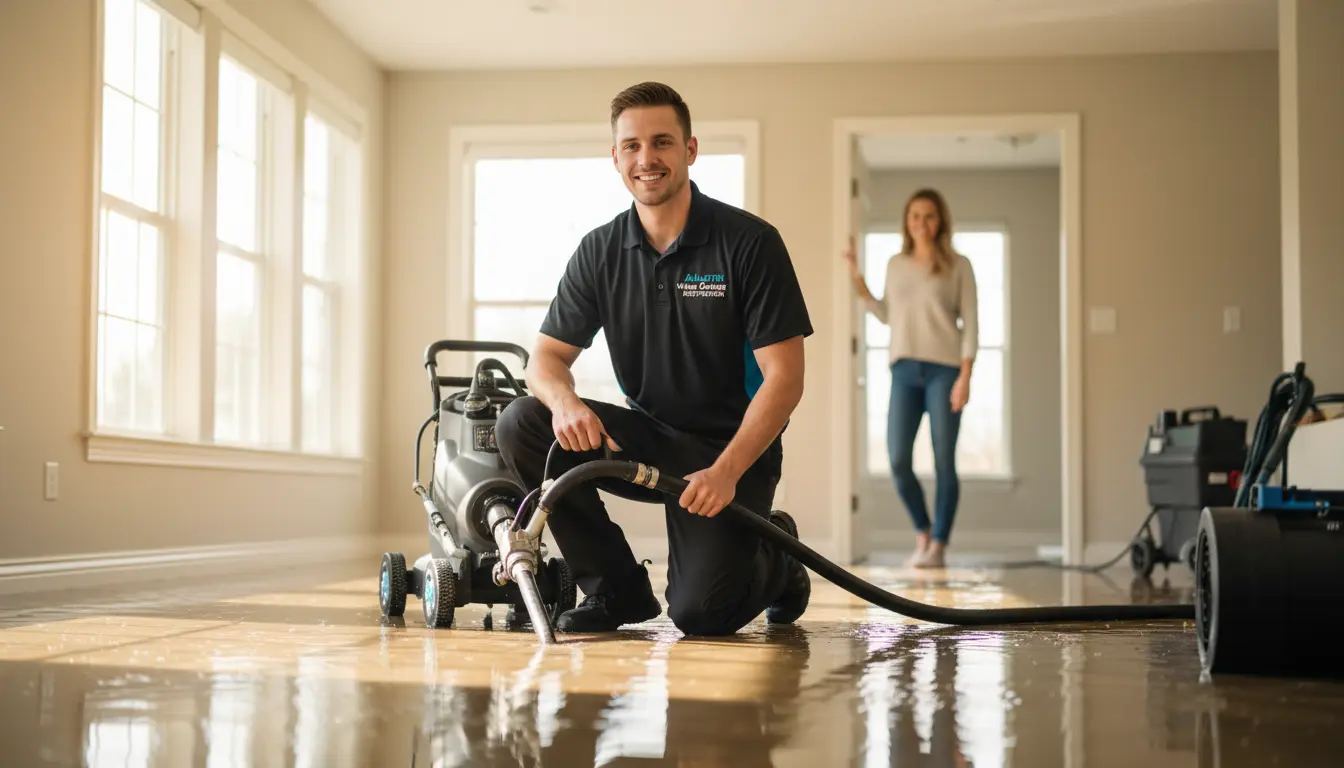
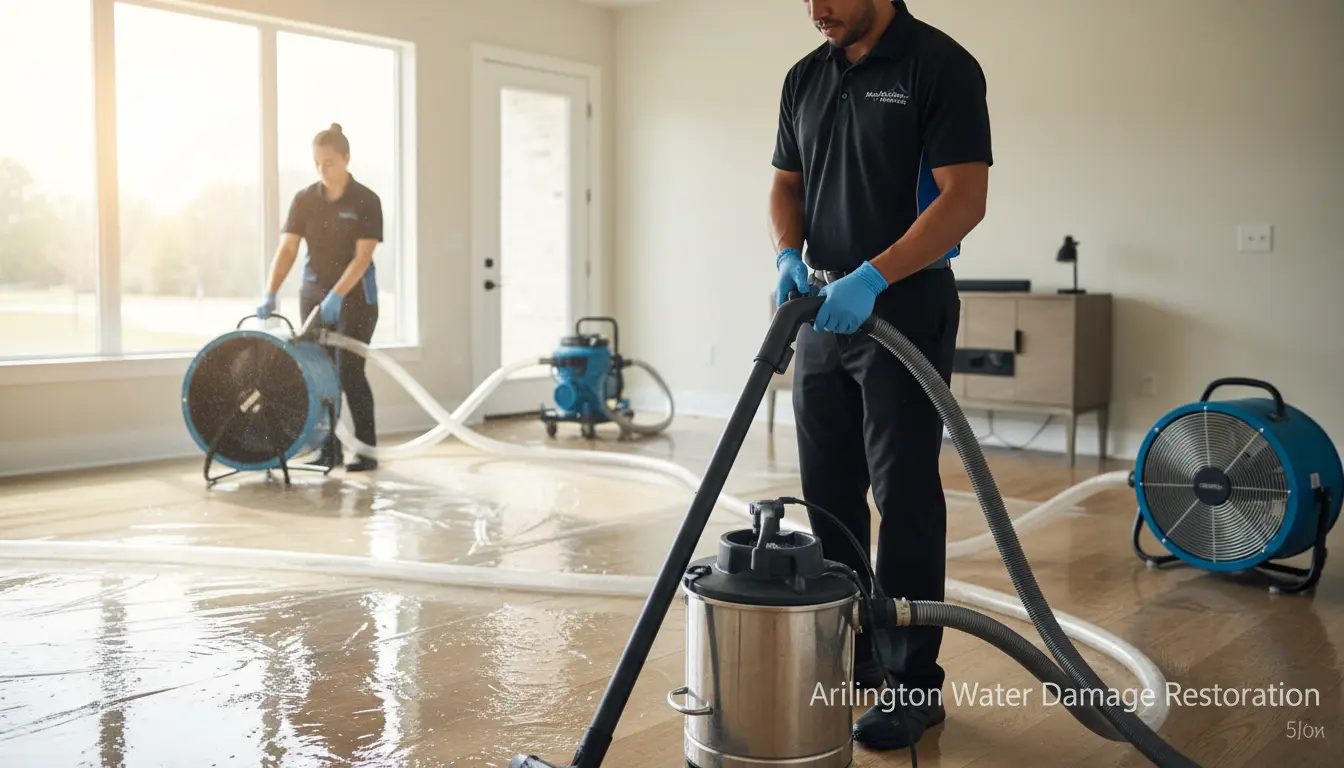
Imagine waking up to the sound of rushing water in your Arlington home after a severe thunderstorm. Water is pooling in your basement, soaking your carpets, and threatening your family’s safety. In a city like Arlington, where heavy rains and occasional flooding from the Trinity River can strike unexpectedly, knowing how to handle emergency water removal is crucial. At Arlington Water Damage Restoration, we’ve helped countless residents in neighborhoods like Randol Mill and Webb recover from such disasters. This comprehensive guide will walk you through the process, providing practical tips to minimize damage and restore your property swiftly.
Water damage isn’t just inconvenient—it’s a health hazard that can lead to mold growth, structural weakening, and costly repairs if not addressed immediately. Whether it’s a burst pipe in your Grand Prairie home or flooding in Mansfield, acting fast is key. Let’s dive into the steps for effective emergency water removal.
Understanding Water Damage in Arlington
Arlington’s humid subtropical climate means water-related issues are common, especially during spring and fall when storms roll in from the Gulf. From leaky roofs during monsoons to plumbing failures in older homes around the University of Texas at Arlington area, water damage can happen anytime.
Common Causes of Water Damage Locally
- Severe Weather Events: Heavy downpours can overwhelm drainage systems in areas like Randol Mill, leading to basement flooding.
- Plumbing Malfunctions: Aging pipes in historic Arlington neighborhoods often burst, causing sudden inundation.
- Appliance Failures: Washing machines or water heaters in homes near Webb Community Center can leak without warning.
- Sewage Backups: During peak rain seasons, sewage water removal becomes necessary in low-lying parts of Grand Prairie adjacent to Arlington.
Recognizing these risks helps you prepare. For instance, if you suspect hidden moisture after a storm, consider our moisture detection services to identify issues early.
Preparing for Emergency Water Removal
Before diving into removal, preparation ensures safety and efficiency. Stock an emergency kit with flashlights, rubber gloves, buckets, and a wet/dry vacuum. In Arlington, where power outages are common during storms, having battery-powered tools is essential.
Safety First: Assessing the Situation
Your safety comes before anything else. Turn off the electricity at the breaker box to avoid electrocution risks—water conducts electricity. If the water is from a sewage source, evacuate immediately and call professionals for sewage water removal, as contaminated water poses serious health threats.
Evacuate pets and family members, especially in multi-story homes common in Mansfield. Document the damage with photos for insurance claims; this step can save you thousands in disputes.
Step-by-Step Guide to Emergency Water Removal
Now, let’s get to the core process. This guide is designed for immediate action while awaiting professional help from Arlington Water Damage Restoration. Remember, for extensive damage, our 24/7 team is just a call away.
Step 1: Identify and Stop the Water Source
The first priority is halting the flow. If it’s a visible leak, like a burst pipe under your sink, shut off the main water valve—usually located in the basement or garage in Arlington homes. For external flooding from heavy rains near the Trinity River, ensure gutters are clear; clogged ones exacerbate issues in sloped neighborhoods like those in Grand Prairie.
Practical Tip: Use a pipe wrench to tighten fittings if safe, but avoid DIY fixes on gas lines. If sewage is involved, do not attempt to handle it yourself.
Step 2: Remove Standing Water
Once the source is contained, start extracting water. For small amounts, use towels or a shop vac. For larger floods, rent or borrow a submersible pump from a local hardware store in Arlington’s shopping districts.
Actionable Advice: Work from the top down—start with upper floors to prevent water migration. In attics, which are prone to leaks in older Arlington properties, remove water carefully to avoid damaging insulation. If insulation is soaked, professional attic insulation replacement may be needed to prevent mold.
Prioritize removing water from electrical outlets and appliances to safeguard your home’s systems.
Step 3: Extract Water from Carpets and Floors
Carpets act like sponges, holding gallons of water. Pull up affected rugs and carpets immediately to allow airflow. Use fans to circulate air, but only after electricity is safe.
Local Insight: In humid Arlington, carpets dry slowly, increasing mold risk. For hardwood floors common in upscale Mansfield homes, avoid walking on them to prevent cupping. Our hardwood floor refinishing services can restore them post-removal.
Tip: Sprinkle baking soda on carpets to absorb odors, but ventilate well. For deeper extraction, wet vacuums are ideal.
Step 4: Dry Out the Affected Areas
Drying is critical to prevent mold, which thrives in Arlington’s warm, moist environment. Open windows and doors for cross-ventilation, and use dehumidifiers to pull moisture from the air.
Actionable Steps:
- Place box fans strategically to push air outward.
- Remove baseboards and drywall up to 12-18 inches if saturated, as they trap moisture.
- Monitor humidity with a cheap hygrometer; aim for under 50%.
If odors persist after drying, our odor elimination treatment can neutralize smells from bacteria or mildew.
Step 5: Clean and Disinfect
Water removal isn’t complete without sanitation. Use a mixture of bleach and water (1 cup bleach per gallon) on non-porous surfaces, but test for colorfastness on fabrics.
Practical Tip: Wear protective gear—masks and gloves—to avoid contaminants. In sewage cases, professionals are essential due to biohazards.
Step 6: Inspect for Hidden Damage
After initial cleanup, check for concealed issues like warped beams or mold behind walls. Use a moisture meter for accuracy.
Arlington-Specific Advice: In flood-prone areas like near Randol Mill Pond, structural inspections are vital. Hire experts to assess crawl spaces, common in local ranch-style homes.
Step 7: Restore and Prevent Future Damage
Finally, repair and fortify. Replace damaged materials and install sump pumps if you’re in a low-lying Arlington spot. Regular maintenance, like clearing drains before storms, goes a long way.
FAQ: Common Questions About Emergency Water Removal in Arlington
1. How quickly should I act after discovering water damage?
Act within the first 24-48 hours to prevent mold. In Arlington’s climate, delays can lead to rapid deterioration. Call Arlington Water Damage Restoration immediately for fast response.
2. Is DIY water removal sufficient for all situations?
For minor leaks, yes, but extensive flooding or sewage requires pros. Our team handles everything from extraction to moisture detection to ensure complete restoration.
3. Will my homeowner’s insurance cover water removal in Arlington?
Most policies cover sudden damage like bursts, but not neglect. Document everything and contact your agent. We assist with claims to maximize your coverage.
4. How can I prevent water damage during Arlington storms?
Elevate appliances, maintain roofs, and install backwater valves. For personalized advice tailored to areas like Webb, consult our experts.
5. What if I smell musty odors after removal?
This indicates lingering moisture or mold. Schedule our odor elimination services promptly to safeguard your health.
Conclusion: Protect Your Arlington Home Today
Emergency water removal in Arlington demands quick thinking and the right steps to safeguard your property and loved ones. From stopping the source to thorough drying and restoration, following this guide can mitigate damage significantly. However, for the best results, trust the professionals at Arlington Water Damage Restoration. With years of experience serving Randol Mill, Grand Prairie, and beyond, we’re equipped to handle any water crisis 24/7.
Don’t let water damage overwhelm you—contact us today at (817) 670-9404 or visit our website for a free assessment. Your peace of mind starts with a single call.