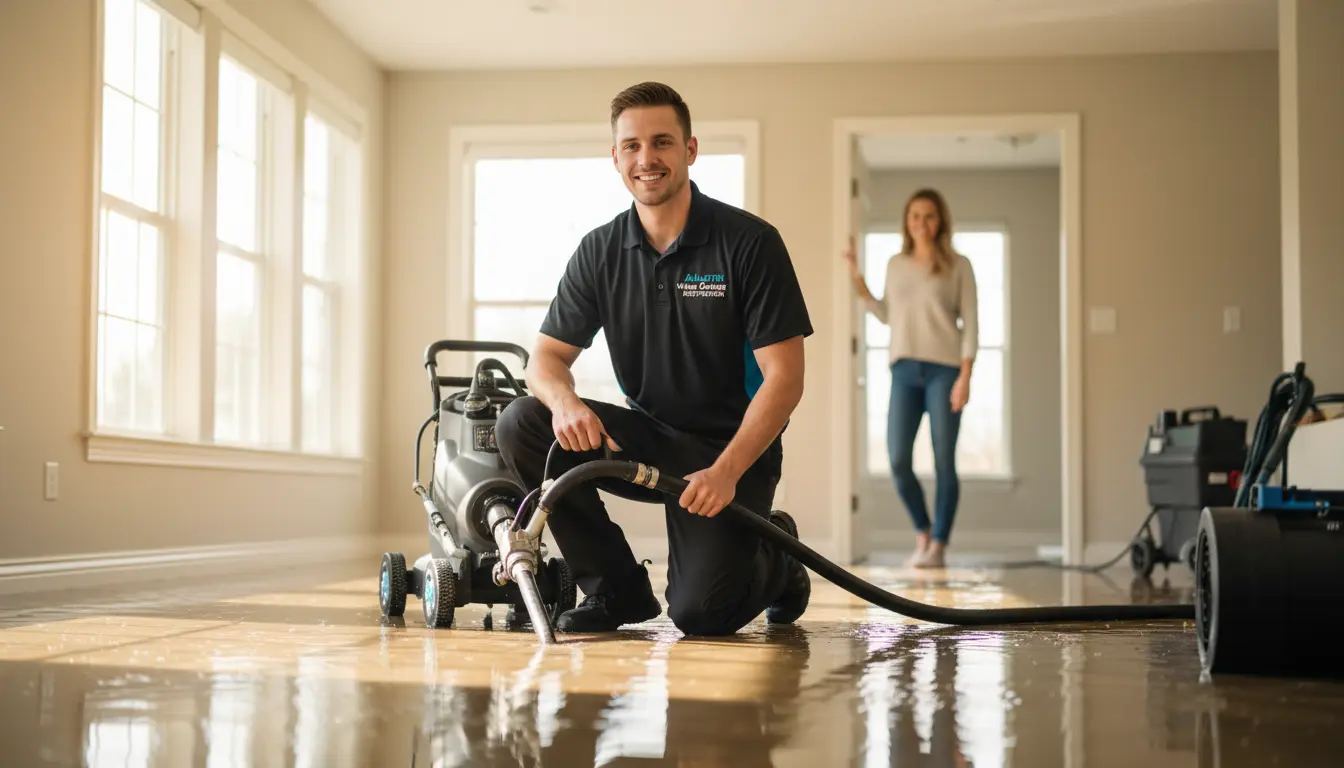
Why does mold grow so fast after water damage in Arlington homes? This is a critical concern for property owners throughout the DFW metroplex, especially following severe seasonal storms, flash flooding, or sudden plumbing failures. Spores are naturally present in every environment, but they remain dormant until they are activated by a consistent moisture source. In Arlington’s humid subtropical climate, the conditions for explosive microbial colonization are practically perfect year-round.
The 48-Hour Biological Clock
When clean water breaches your building envelope, it immediately begins wicking into hygroscopic (water-absorbing) materials like drywall, carpet padding, and wooden framing. Because the ambient outdoor humidity in Texas is often high, this trapped indoor moisture cannot naturally evaporate. Instead, it creates a stagnant microclimate within your walls.
Within just 24 to 48 hours of saturation, toxic strains such as Stachybotrys chartarum (black mold) and Aspergillus can root themselves into these porous materials. Once established, they digest the organic cellulose in your home’s infrastructure, compromising its structural integrity. Understanding this rapid biological timeline is the foundation of the ultimate guide to water damage restoration in Arlington, TX.
Identifying Silent Moisture Intrusion
Mold rarely starts growing in the middle of a room; it begins in the dark, damp cavities behind your walls and beneath your floors. You must aggressively monitor your property for the early indicators of hidden saturation. Key symptoms include localized spikes in indoor humidity, baseboards separating from the drywall, hardwood floors beginning to cup, and a persistent earthy, musty odor. If you detect any of these 5 signs of hidden water damage in Arlington homes, microbial amplification is likely already underway.
The Professional IICRC Mitigation Protocol
Standard household cleanup tools cannot stop mold. Scrubbing wet drywall with bleach is completely ineffective, as bleach is mostly water and fails to kill the roots embedded within porous surfaces. Certified mitigation teams use applied psychrometrics to alter the thermodynamics of the flooded environment:
- Thermal Moisture Mapping: Utilizing infrared cameras to trace the exact migration path of the water without tearing down walls prematurely.
- Deep Subsurface Extraction: Deploying truck-mounted vacuums to physically pull the bulk of the standing water out of carpets and subfloors. See exactly how this is executed in our step-by-step guide to emergency water removal in Arlington.
- Engineered Dehumidification: Placing Low Grain Refrigerant (LGR) dehumidifiers to push the indoor air below 34 Grains Per Pound, creating “thirsty air” that forces bound moisture out of saturated framing.
- Botanical Sanitization: Applying EPA-registered biocides to destroy active mold spores and establish an antimicrobial barrier.
Performance Impact & Strategy Comparison
Choosing to tackle a flood yourself instead of hiring certified professionals drastically alters the recovery timeline and heavily inflates your risk of toxic mold exposure. The consolidated data table below highlights the extreme differences in performance between amateur cleanup and engineered structural drying.
| Recovery Strategy | Drying Timeline | Final Moisture Level | Mold Amplification Risk |
|---|---|---|---|
| DIY Cleanup (Fans/Towels) | 7 to 14 Days | > 20% (Remains Damp) | Extremely High (Guaranteed Mold) |
| Uncertified Handyman | 4 to 7 Days | 15% to 18% | Medium (Risk of Secondary Swelling) |
| Professional LGR Drying | 24 to 48 Hours | < 10% (Dry Standard) | Eliminated (Environment Secured) |
Security, Safety, and Financial Risks
Water intrusion introduces immediate, lethal hazards. Submerged electrical outlets create extreme electrocution risks. Furthermore, if clean water sits for more than 48 hours, it degrades into a Category 3 biohazard, meaning it is heavily contaminated with bacteria and mold. Standard extraction is highly cost-effective, typically ranging from $1,500 to $4,000. However, delaying cleanup forces technicians into full-scale biohazard containment and structural demolition, which can easily inflate costs past $10,000.
Common Mitigation Mistakes to Avoid
- Delaying the extraction process: Waiting to hear back from insurance adjusters before extracting standing water ensures the loss of salvageable materials and guarantees mold growth.
- Using standard ceiling fans: Consumer fans simply vaporize moisture into the air, drastically increasing indoor humidity and causing secondary mold colonization in upper drywall and cabinetry.
- Painting over water stains: Attempting to cover up a brown ceiling stain without verifying the cavity behind it is dry ensures hidden framing rot.
Advanced Frequently Asked Questions
Standard clean-water extraction and drying range from $3 to $7 per square foot. However, if the delay in mitigation allowed severe mold to grow, the required remediation and controlled demolition will significantly increase the total invoice.
The active extraction and LGR dehumidification phase typically takes 2 to 4 days. If the walls, floors, and baseboards require full reconstruction due to mold infiltration, the total timeline can span several weeks.
In Texas, mold coverage is heavily restricted. If the mold resulted directly from a sudden, covered water loss that was mitigated quickly but still resulted in spores, you may have limited coverage. If the mold grew because you delayed cleanup or ignored a slow leak, the claim will almost certainly be denied.
Do not let trapped moisture dictate the lifespan of your property or jeopardize your family’s respiratory health. If you are dealing with a severe leak or storm intrusion, fast action with modern equipment is your only defense against compounding financial losses. Please contact our 24/7 rapid response team today for a free assessment, and let our certified experts deploy the heavy-duty extraction equipment required to secure your home from toxic mold.