Imagine waking up to the sound of dripping water in your Arlington home after a heavy thunderstorm rolls through the Texas plains. The sight of soaked carpets and warped floors hits hard, especially in neighborhoods like Downtown Arlington where historic homes are common. Water damage isn’t just an inconvenience—it’s a potential disaster that can lead to mold growth, structural issues, and health hazards if not addressed promptly. As a trusted local expert, Arlington Water Damage Restoration is here to guide you through the chaos.
In this comprehensive checklist, we’ll walk you through the essential steps every Arlington resident should take after discovering water damage. From immediate safety measures to long-term restoration, our advice is tailored to the unique challenges of our area, like sudden floods from the Trinity River or burst pipes during winter freezes. Whether your home is in Dalworthington Gardens or near the University of Texas at Arlington campus, acting fast can save you time, money, and stress. Let’s dive in and get your property back to normal.
Immediate Steps to Take After Discovering Water Damage
The first 24-48 hours after water damage are critical. Delaying action can exacerbate the problem, turning a manageable issue into a major repair job. In Arlington, where humidity levels can spike after rain, moisture spreads quickly, making swift response key.
Ensure Safety First
Your safety—and your family’s—comes before everything else. Before touching anything, assess the situation. Turn off the main electricity if water has reached outlets or wiring to avoid electrocution risks. In flood-prone areas like Twin Hills, standing water can hide electrical hazards, so use caution.
If the water is from a sewage backup, evacuate immediately due to contamination risks. Arlington Water Damage Restoration recommends wearing protective gear like gloves and boots if you must enter the area. For severe cases involving hazardous materials, consider professional biohazard waste disposal to safely remove contaminated items without exposing yourself to pathogens.
Check for structural damage too. In older Arlington homes near Forest Hill, weakened floors or walls could collapse. If you’re unsure, call emergency services or a professional right away. Remember, in Arlington’s variable weather, additional rain could worsen the situation, so monitor local forecasts from sources like the National Weather Service.
Stop the Water Source
Identifying and halting the source of water is your top priority. If it’s a burst pipe, shut off the main water valve—typically located in your basement, garage, or near the water meter. For roof leaks common during Arlington’s spring storms, place tarps over the affected area temporarily.
If sewage is involved, which is more frequent in densely populated spots like Grand Prairie adjacent to Arlington, avoid using drains to prevent further backup. Our team at Arlington Water Damage Restoration specializes in sewage water removal, using specialized equipment to extract contaminated water safely and sanitize the space.
Pro tip: In Arlington’s clay-heavy soil, poor drainage can lead to basement flooding. If this is a recurring issue, consider installing sump pumps or French drains as a preventive measure.
Documenting the Damage Thoroughly
Once safety is secured, documentation is crucial for insurance claims and restoration planning. This step helps quantify the extent of the damage and supports your case for coverage.
Take Photos and Videos
Use your smartphone to capture detailed images and videos of the affected areas from multiple angles. Include shots of the water source, damaged belongings, and any visible mold starting to form. Timestamp everything to establish a timeline.
In Arlington, where homes vary from mid-century ranches in Dalworthington Gardens to modern apartments in Downtown Arlington, note how the damage impacts specific features like hardwood floors or HVAC systems. This visual record not only aids professionals but also helps track progress during restoration.
Contact Your Insurance Provider
Reach out to your homeowner’s insurance company as soon as possible—ideally within 24 hours. Provide them with your documentation and a detailed description of the incident. Many policies cover water damage from sudden events like pipe bursts but exclude gradual leaks or floods.
Arlington Water Damage Restoration offers insurance assessment help to navigate this process. Our experts work directly with adjusters to ensure your claim is accurate and maximized, saving you from out-of-pocket surprises. Local insurers familiar with Arlington’s flood risks, like those near the Clearfork area, often require professional assessments for approval.
Professional Restoration: Why DIY Isn’t Enough
While initial steps are DIY-friendly, full restoration requires certified professionals. Attempting to handle everything yourself can lead to incomplete drying, hidden mold, and voided insurance claims. In humid Arlington summers, improper drying can foster mold growth within days.
Water Extraction and Initial Cleanup
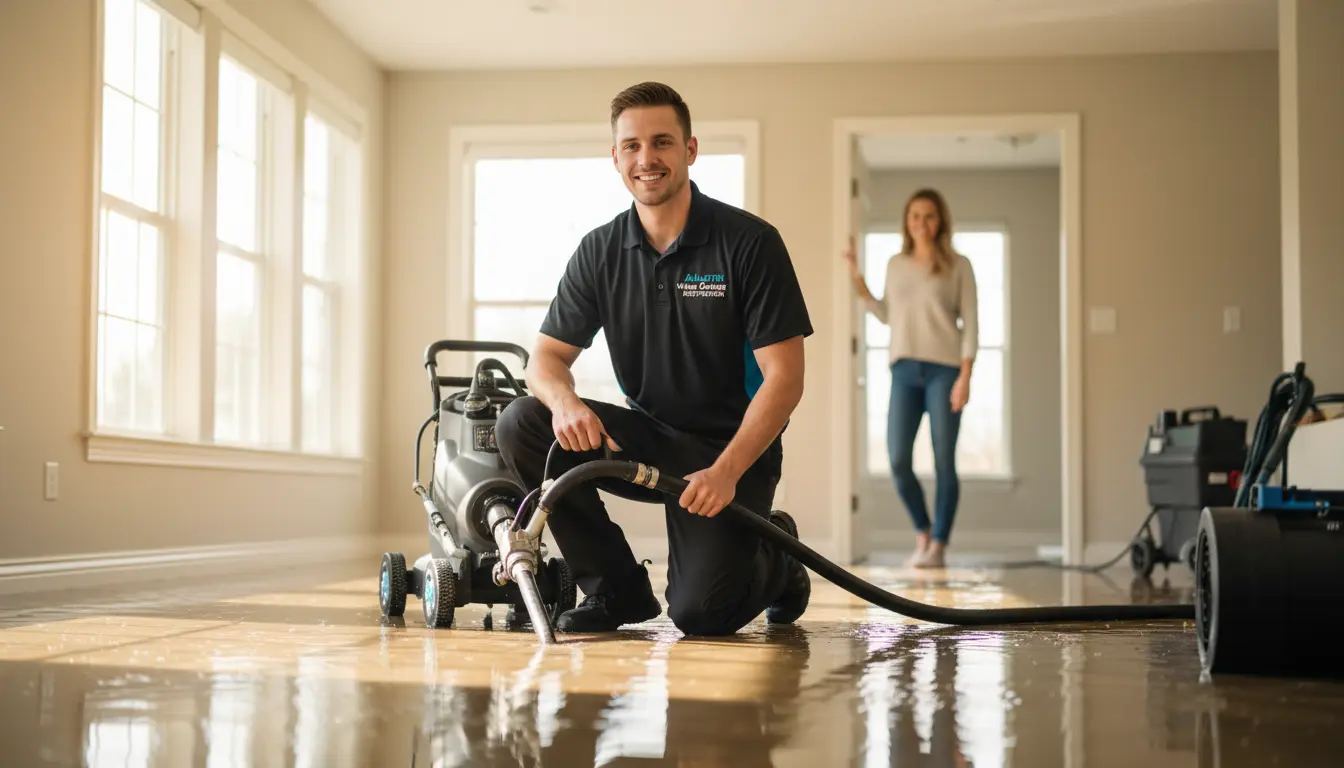
Start with professional water extraction using powerful pumps and vacuums. This removes standing water quickly, preventing further saturation. For homes in elevated areas like Twin Hills, where water might pool in basements, truck-mounted extractors are essential.
Our Arlington team arrives within hours, equipped for everything from clean Category 1 water (like from a sink overflow) to contaminated Category 3 (sewage). We prioritize removing waterlogged materials like carpets and drywall to halt damage progression.
Drying and Dehumidification Process
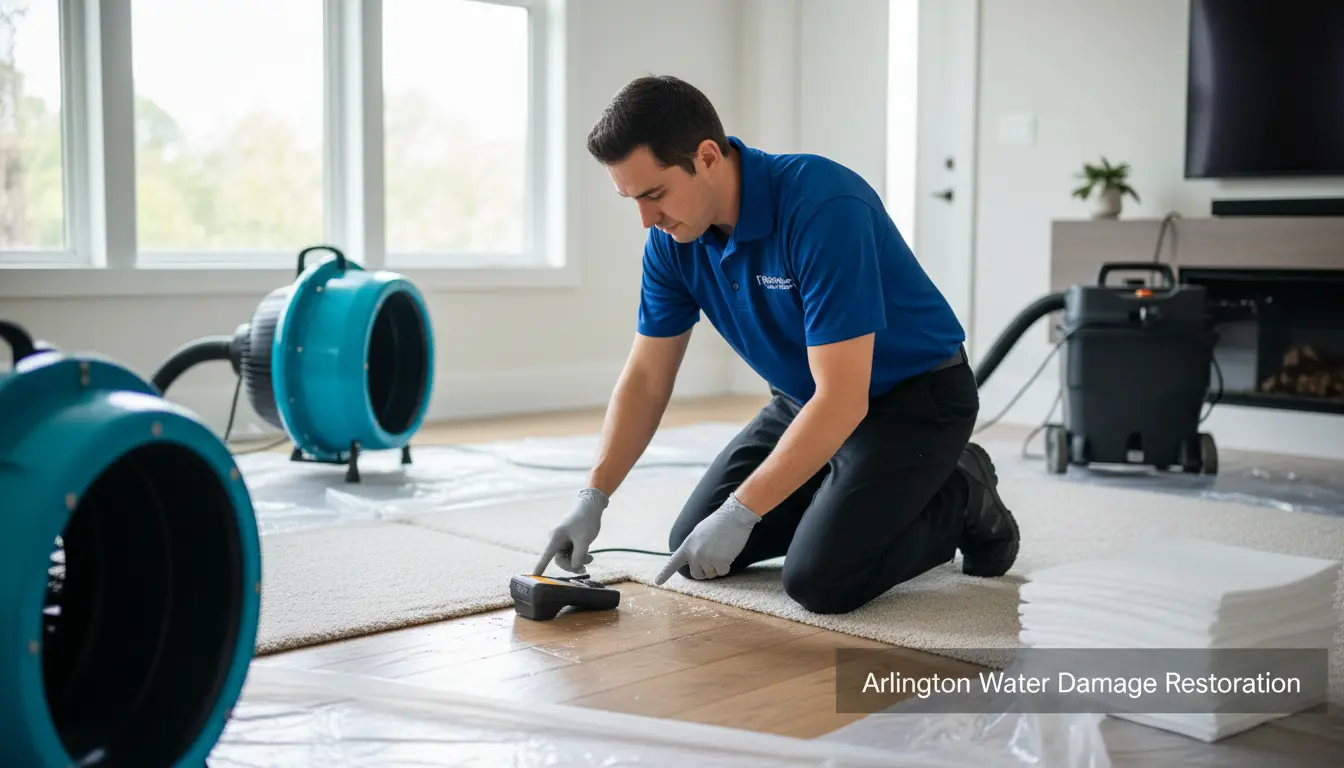
After extraction, industrial fans and dehumidifiers are set up to dry the structure thoroughly. This process can take 3-5 days, depending on the extent. In Arlington’s climate, where indoor humidity often exceeds 60%, we monitor moisture levels with advanced meters to ensure everything reaches safe levels below 15%.
If insulation is affected, especially in attics prone to leaks from roof damage, replacement is vital. We provide attic insulation replacement to restore energy efficiency and prevent future issues in Arlington’s hot summers.
Mold Prevention and Treatment
Water damage often leads to mold, which thrives in Arlington’s warm, moist environment. Even if you don’t see it, spores can spread through HVAC systems. Apply antimicrobial agents to at-risk surfaces immediately.
Arlington Water Damage Restoration uses EPA-approved antimicrobial treatment application to kill existing mold and inhibit growth. For residents in flood-vulnerable spots like Forest Hill, we recommend air quality testing post-restoration to confirm safety.
Long-Term Prevention Tips for Arlington Homes
Restoration is only half the battle—prevention keeps water damage from recurring. Arlington’s location in North Texas exposes homes to unique risks: heavy rains, freezing pipes, and high humidity.
Regular Maintenance Checks
Inspect your home seasonally. Check roofs for missing shingles after storms, clean gutters to prevent overflow, and test sump pumps annually. In areas like Grand Prairie bordering Arlington, where soil expansion causes foundation shifts, monitor for cracks that could lead to leaks.
Seal windows and doors to block rainwater, especially around the entertainment district in Downtown Arlington where urban runoff is common.
Upgrading Your Home’s Defenses
Invest in water alarms for basements and leak detectors under sinks. For older homes in Dalworthington Gardens, consider repiping with modern materials less prone to bursting in cold snaps.
If you’ve experienced sewage issues, our sewage water removal service includes recommendations for backflow preventers to safeguard against future backups.
Stay informed about local weather patterns. Arlington’s proximity to the Trinity River means flash floods are possible—sign up for alerts from the city or apps like FEMA’s.
FAQ: Common Questions About Water Damage in Arlington
How Quickly Should I Call Professionals After Water Damage?
Act within the first hour if possible. The sooner we at Arlington Water Damage Restoration arrive, the less damage spreads. Delays beyond 48 hours increase mold risks significantly in our humid climate.
Does Homeowners Insurance Cover Water Damage in Arlington?
It depends on the cause. Sudden accidents like pipe bursts are typically covered, but floods require separate policies. Our insurance assessment help ensures you understand your coverage.
Can I Stay in My Home During Restoration?
It depends on the damage extent. For minor issues in dry areas like Twin Hills, yes. But contaminated water in basements near Downtown Arlington often requires temporary relocation for safety.
How Long Does Water Damage Restoration Take?
From extraction to full drying, it usually takes 5-7 days. Complex cases involving structural repairs can extend to weeks, but our efficient process minimizes disruption.
Is Mold Always a Concern After Water Damage?
Yes, especially in Arlington’s warmth. Even hidden mold can cause health issues. We apply antimicrobial treatment application as standard to protect your family.
Conclusion: Take Control with Expert Help Today
Water damage can feel overwhelming, but with this Arlington-specific checklist, you’re equipped to respond effectively. From safety checks to professional restoration, every step counts toward reclaiming your home. Remember, in neighborhoods like Dalworthington Gardens or bustling Downtown Arlington, local expertise makes all the difference.
Don’t let water damage linger—contact Arlington Water Damage Restoration now for a free assessment. Our 24/7 emergency response team is ready to serve all of Arlington and surrounding areas like Forest Hill and Grand Prairie. Call us at (817) 670-9404 or visit our website to schedule service. Your peace of mind starts with one call—let’s restore your home today!