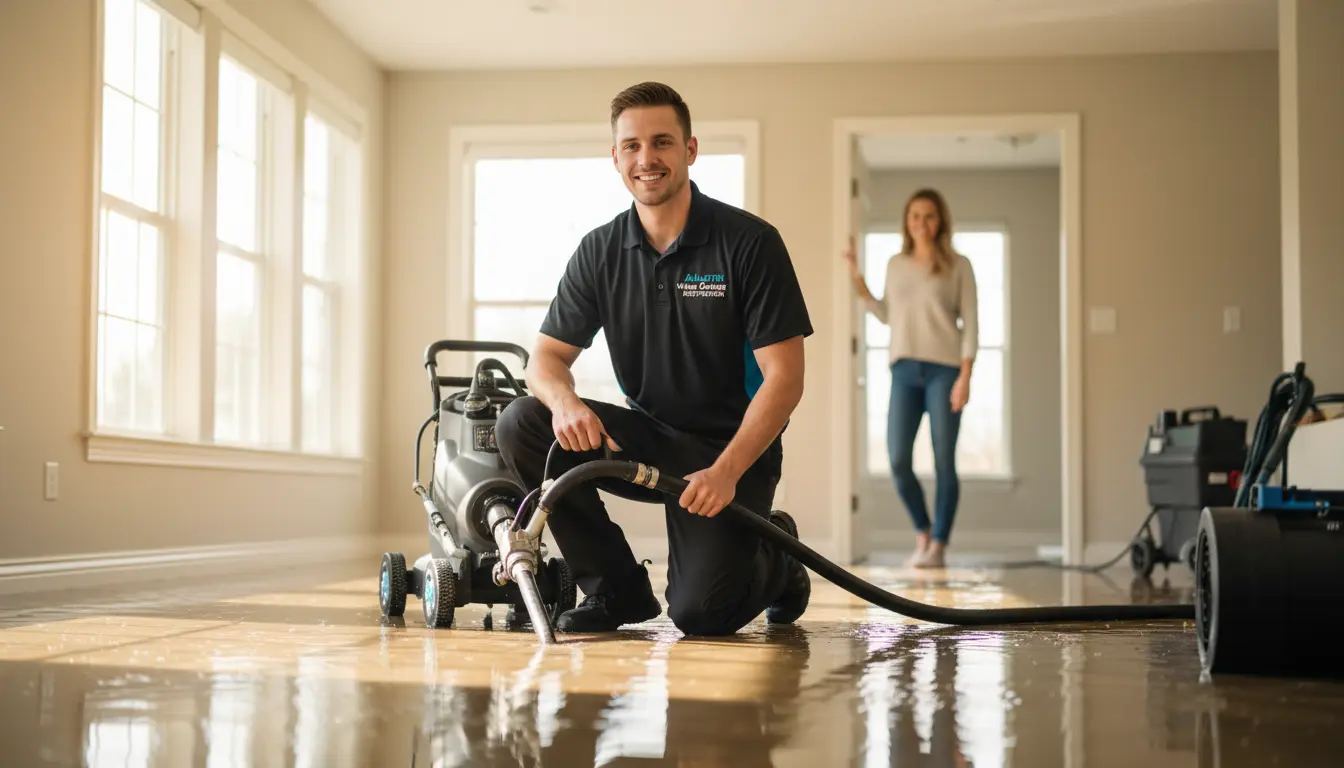
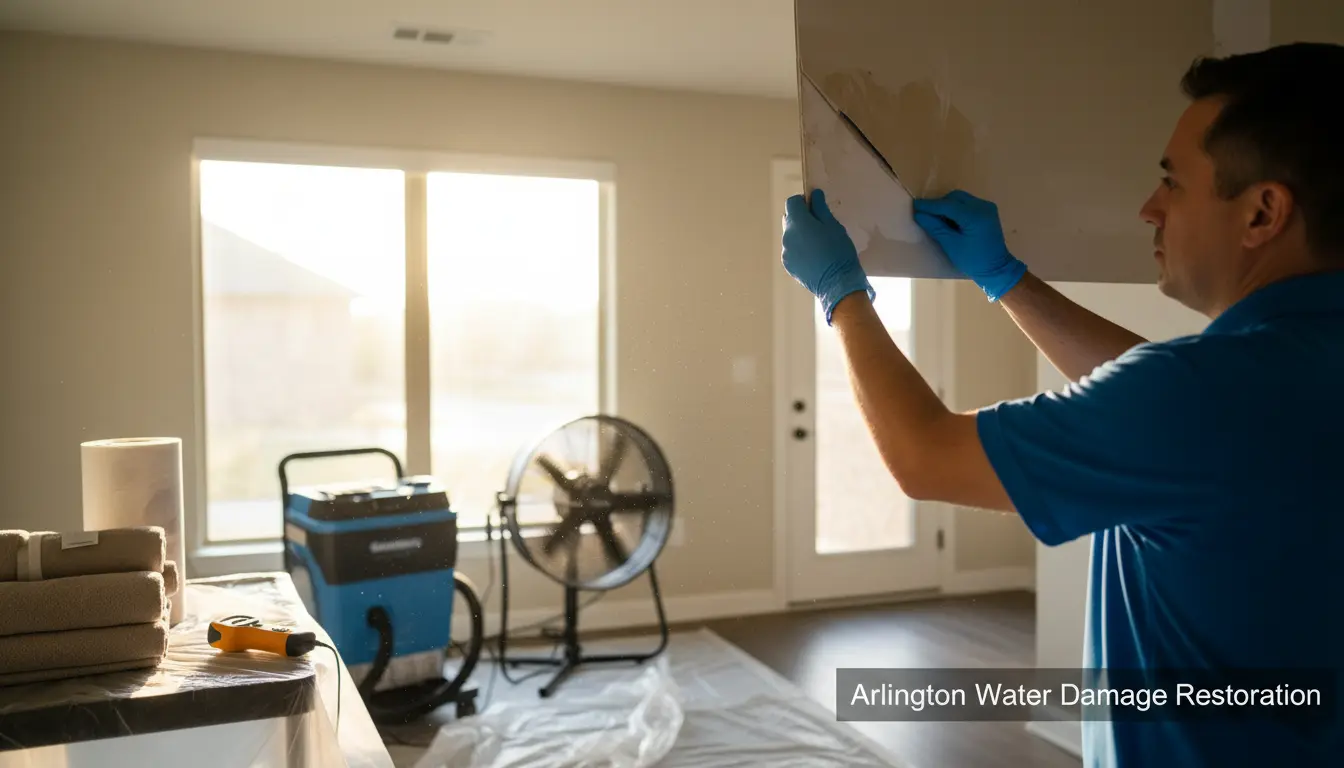
Living in Texas means dealing with unpredictable weather, from scorching summers to sudden downpours. For homeowners in Arlington, water damage isn’t just a hassle—it’s a threat to your home’s structure, health, and wallet. Did you know that water damage affects thousands of Texas properties annually, often leading to costly repairs if not addressed promptly? At Arlington Water Damage Restoration, we’ve seen it all, from burst pipes in cozy Downtown Arlington homes to flood woes near Lake Arlington. In this guide, we’ll break down the top 7 causes of water damage specific to our region and share practical fixes to keep your home dry and safe. Whether you’re in Fielder or Grand Prairie, these insights can save you time and money.
1. Heavy Rainfall and Poor Drainage
Texas is notorious for intense rainstorms, especially during hurricane season. In Arlington, the flat terrain and clay-heavy soil can cause water to pool around foundations, leading to basement flooding or wall seepage. Homes near Lake Arlington are particularly vulnerable, as rising water levels exacerbate runoff issues.
How to Fix It
Start by inspecting your gutters and downspouts. Ensure they’re clean and directing water at least 5-10 feet away from your foundation. Install French drains or extend downspouts if needed. For severe cases, consider professional flood cleanup services to remove standing water and prevent mold growth. Regular maintenance can reduce risks by up to 70%, according to industry experts.
2. Burst Pipes from Freezing Winters
Though Texas winters are mild, occasional freezes—especially in unheated areas like garages—can crack pipes. In Arlington’s older neighborhoods like Fielder, aging plumbing amplifies this risk, causing sudden leaks that flood interiors overnight.
How to Fix It
Insulate exposed pipes with foam sleeves and let faucets drip during cold snaps to prevent freezing. If a burst occurs, shut off the main water supply immediately and call for emergency help. Our team at Arlington Water Damage Restoration uses advanced structural drying process techniques to dry out affected areas quickly, minimizing long-term damage. Proactive winter prep, like sealing crawl spaces, is key for Arlington residents.
3. Leaky Roofs After Storms
High winds and hail from Texas thunderstorms often damage roofs, allowing water to infiltrate attics and ceilings. In Downtown Arlington, where historic homes abound, flat or aging roofs are prime targets, leading to widespread interior damage.
How to Fix It
Conduct bi-annual roof inspections, focusing on shingles, flashing, and vents. Patch small leaks with sealant, but for major issues, hire a roofer. Post-storm, use tarps for temporary coverage and seek moisture detection services to identify hidden leaks. Early intervention prevents sagging ceilings and structural rot, common in our humid climate.
4. Plumbing Failures and Clogged Drains
Over time, mineral buildup and tree roots invade pipes, causing backups and overflows. Arlington’s hard water accelerates this, turning minor clogs into major floods in kitchens and bathrooms.
How to Fix It
Schedule annual plumbing inspections and use enzyme-based cleaners for drains instead of harsh chemicals. Install backflow preventers to stop sewage from reversing. If overflow happens, our odor elimination treatment can neutralize smells while we restore your space. For homes in Grand Prairie, where older infrastructure is common, upgrading to PEX piping offers long-term reliability.
5. Appliance Malfunctions
Washing machines, dishwashers, and water heaters fail unexpectedly, often due to wear or improper installation. In busy Arlington households, these leaks go unnoticed until carpets are soaked.
How to Fix It
Place appliances on drip pans with shut-off valves and check hoses monthly for cracks. Replace rubber hoses every 5 years. When damage strikes, quick action with mold inspection removal prevents health hazards from hidden moisture. Arlington families can benefit from smart leak detectors that alert your phone, adding peace of mind.
6. Foundation Cracks from Soil Expansion
Texas soil swells with rain and shrinks in drought, stressing foundations. In Lake Arlington areas, proximity to water bodies worsens this, creating cracks that let groundwater seep in.
How to Fix It
Seal cracks with hydraulic cement or polyurethane injections for a waterproof barrier. Improve yard grading to slope away from the house. For extensive issues, consult structural engineers. Our local expertise in areas we serve like Lake Arlington ensures tailored solutions that withstand Texas’s seasonal shifts.
7. HVAC System Condensation Issues
High humidity in Texas summers causes AC units to sweat excessively, dripping water if drainage lines clog. In enclosed Arlington attics, this leads to persistent dampness and mold.
How to Fix It
Clean HVAC drain lines quarterly with a vinegar solution and ensure proper insulation around ducts. Install condensate pumps for low spots. If mold develops, prompt mold inspection removal is essential. Regular servicing keeps systems efficient and homes dry, especially in humid spots like Downtown Arlington.
Practical Tips to Prevent Water Damage in Your Arlington Home
Prevention is your best defense. Here are actionable steps:
- Monitor Humidity Levels: Keep indoor humidity below 50% with dehumidifiers.
- Landscaping Smartly: Plant water-absorbent shrubs away from foundations.
- Insurance Review: Ensure your policy covers Texas-specific risks like flash floods.
- Emergency Kit: Have towels, buckets, and a water shut-off tool ready.
For neighborhoods like Fielder, where flooding is frequent, elevating valuables and using sump pumps adds extra protection. Tie these habits into your routine for lasting results.
FAQ: Common Questions About Water Damage in Texas Homes
What Should I Do Immediately After Discovering Water Damage?
Turn off electricity in affected areas, remove standing water if safe, and contact professionals like Arlington Water Damage Restoration right away to avoid further issues.
How Long Does Water Damage Restoration Take in Arlington?
It varies from a few days for minor leaks to weeks for floods, depending on extent. Our rapid response in Downtown Arlington ensures minimal disruption.
Can Water Damage Lead to Mold in Texas Homes?
Yes, within 24-48 hours in our humid climate. Early moisture detection services catch it before it spreads.
Is Water Damage Covered by Homeowners Insurance in Texas?
Often yes for sudden events, but not neglect. Review your policy and document damage thoroughly.
How Can I Prevent Flooding Near Lake Arlington?
Elevate utilities, use flood barriers, and maintain drainage. For expert advice, reach out to our team serving Grand Prairie and beyond.
Conclusion: Protect Your Home Today
Water damage doesn’t have to overwhelm your Texas home. By understanding these top 7 causes—from heavy rains to plumbing woes—and applying these fixes, you can fortify your property against Arlington’s unique challenges. At Arlington Water Damage Restoration, we’re committed to serving our community with fast, reliable solutions. Don’t wait for the next storm—contact us today for a free inspection and keep your home safe and dry. Call now at (817) 670-9404 or visit our site to learn more about our services.