Living in Arlington, Texas, offers a vibrant community life, from cheering at AT&T Stadium to strolling through the historic downtown. But behind the charm of our mid-century homes and modern apartments, hidden threats like water damage can lurk undetected. As a homeowner in this humid climate, where summer storms and aging plumbing are common, ignoring subtle signs could lead to structural issues, mold growth, and skyrocketing repair bills.
At Arlington Water Damage Restoration, we’ve seen it all—from leaky roofs in older neighborhoods to burst pipes in bustling Downtown Arlington residences. Water damage doesn’t always announce itself with a flood; often, it’s sneaky and progressive. In this guide, we’ll reveal five key signs of hidden water damage, provide practical tips to spot and address them, and explain why acting fast is crucial. Whether you’re near the University of Arlington or in a quiet suburb, safeguarding your home starts with awareness.
Why Hidden Water Damage is a Silent Killer in Arlington Homes
Arlington’s subtropical climate means high humidity and frequent rains, creating the perfect breeding ground for concealed water issues. According to local building experts, undetected leaks can weaken foundations and promote mold, which affects over 20% of homes in the DFW area annually. The cost? An average of $5,000 for basic repairs, escalating to $50,000 if structural damage sets in.
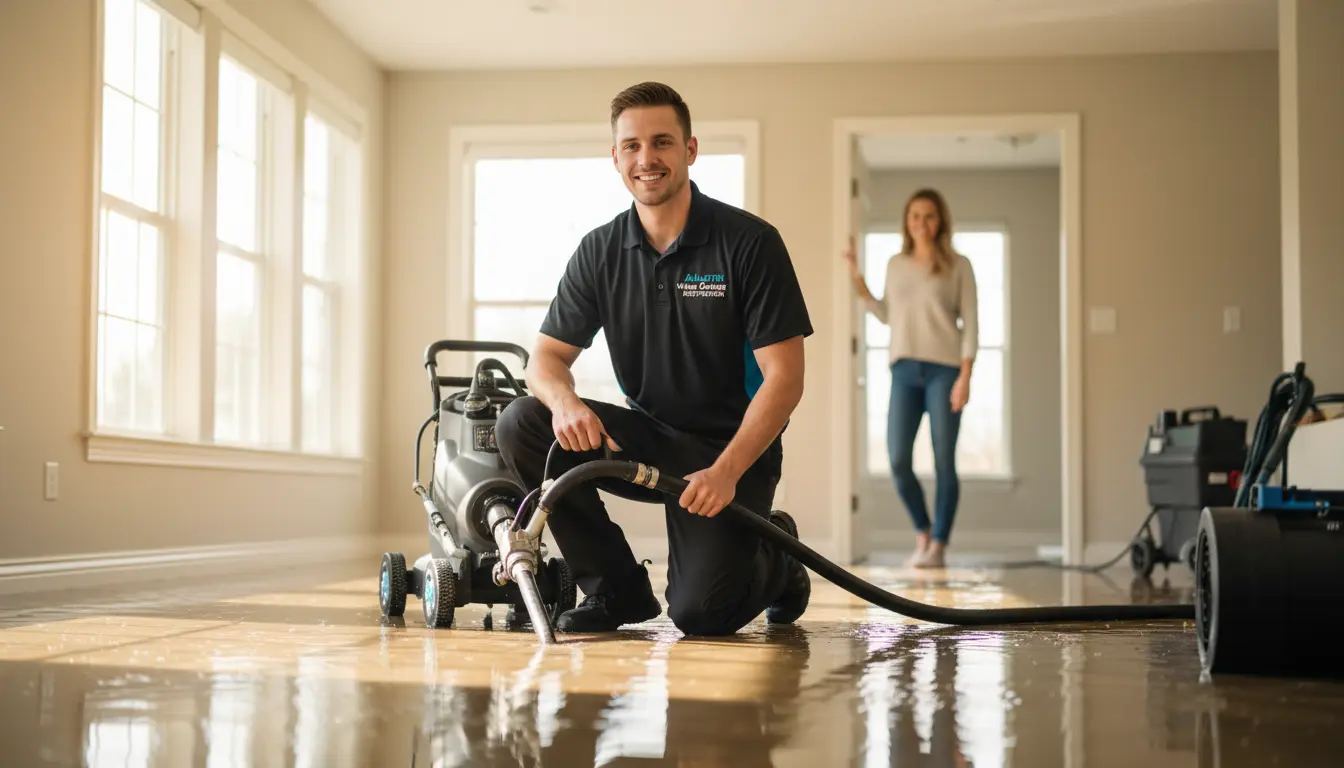
Early detection saves money and health. If you suspect an issue, our team at Arlington Water Damage Restoration offers prompt emergency water extraction to mitigate damage before it spreads.
Common Causes in Our Area
Arlington homes often face water woes from heavy downpours overwhelming gutters, faulty HVAC systems in energy-efficient builds, or tree roots invading sewer lines near parks like River Legacy. Regular maintenance is key—schedule annual inspections to stay ahead.
Sign 1: Musty Odors That Linger
One of the first clues of hidden water damage is a persistent musty smell, often mistaken for damp laundry or old carpet. This odor arises from mold and mildew thriving in moist, unseen areas like wall cavities or under floorboards.
In Arlington’s variable weather, where indoor humidity can spike to 70%, this sign is especially prevalent in basements or crawl spaces. Homeowners near Levy Park might notice it after a rainy weekend, as groundwater seeps in unnoticed.
Practical Tips to Investigate
- Sniff Test: Walk through your home with a keen nose, paying attention to corners, closets, and behind furniture. If the smell intensifies in one spot, mark it.
- Use a Hygrometer: Affordable devices measure humidity levels; anything over 60% warrants a check.
- Actionable Advice: Ventilate with fans and dehumidifiers. If the odor persists, call professionals for infrared inspections. At Arlington Water Damage Restoration, we use advanced tools to pinpoint sources without invasive tearing.
Ignoring this can lead to respiratory issues—don’t wait for it to worsen.
Sign 2: Warping or Buckling Floors and Walls
Look down: Are your hardwood floors in the living room cupping at the edges, or is drywall softening near the bathroom? These distortions signal prolonged moisture exposure, causing materials to expand and contract unevenly.
Arlington’s older homes, built in the 1950s boom era, often have original flooring vulnerable to slab leaks from clay soil shifts. Newer constructions in areas like North Arlington aren’t immune, especially with improper grading around foundations.
How to Spot and Address It
- Visual Inspection: Press on suspicious areas; soft spots indicate rot. Check for discoloration or bubbling paint nearby.
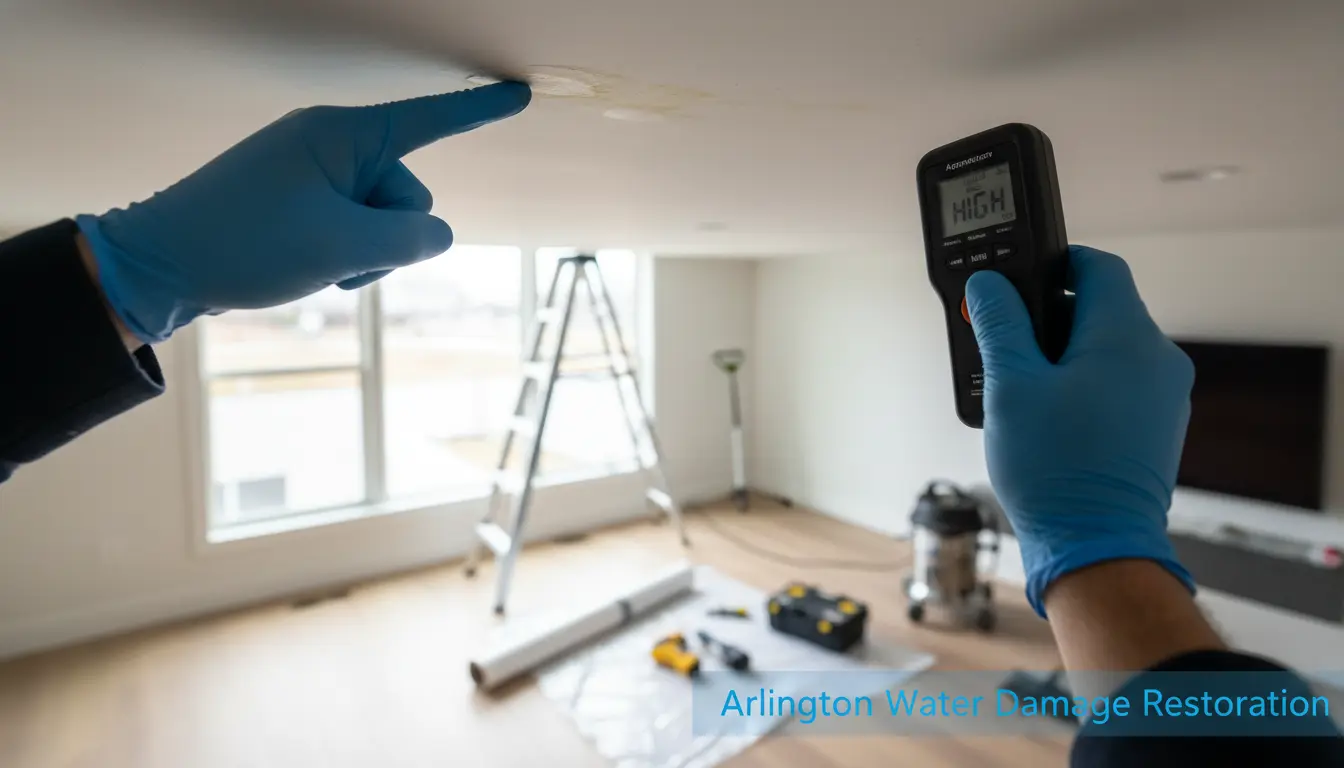
- DIY Check: Lift baseboards gently (if safe) to reveal hidden moisture. Use a moisture meter on wood—readings above 15% are red flags.
- Pro Tip: For immediate relief, reduce water usage and dry the area with fans. Contact us for comprehensive water damage assessment to prevent further warping. Early intervention can save your flooring investment.
Sign 3: Peeling Paint and Discolored Walls
Fresh paint flaking off walls or ceilings? This isn’t just cosmetic—it’s a telltale sign of water seeping through cracks, eroding the surface from behind.
In humid Arlington summers, condensation from poor insulation exacerbates this in attics and exterior walls. Homes near Lake Arlington may deal with splash-back from landscaping, trapping moisture against siding.
Steps for Detection and Prevention
- Close Examination: Look for yellow or brown stains, especially in hidden spots like behind appliances.
- Test for Moisture: Tape a plastic sheet over the area for 48 hours; condensation underneath means a leak.
- Actionable Advice: Repaint with mold-resistant formulas after drying. Seal cracks with caulk. If it’s widespread, our mold remediation services at Arlington Water Damage Restoration ensure safe, thorough treatment tailored to local homes.
Proactive sealing during Arlington’s dry winters can prevent seasonal flare-ups.
Sign 4: Mold Growth in Unexpected Places
Black spots on grout, fuzzy patches in cabinets—these are mold colonies feeding on hidden dampness. Mold spreads quickly in Arlington’s warm environment, posing health risks like allergies and asthma.
Particularly in flood-prone zones near the Trinity River, even minor leaks from washing machines can spawn growth within 24-48 hours.
Identifying and Mitigating Mold
- Signs to Watch: Beyond visible growth, check for allergy-like symptoms worsening indoors.
- Safe Cleaning: For small areas, use a vinegar solution (1:1 with water) and scrub. Never bleach on porous surfaces—it pushes mold deeper.
- When to Call Pros: If over 10 square feet, leave it to experts. We specialize in safe mold removal in Arlington, using HEPA vacuums and antimicrobial treatments to restore air quality.
Regular HVAC filter changes reduce spore circulation— a simple habit for Arlington families.
Sign 5: Unexplained Increases in Utility Bills
A sudden spike in your water or energy bill? It could mean a slow drip wasting gallons daily or your AC working overtime against humidity.
Arlington’s utility rates, managed by local providers, make these hikes noticeable. Leaky toilets or pipes in slab homes are culprits, common in our expansive lots.
Tracking and Fixing the Issue
- Monitor Usage: Install low-flow aerators and check meters for movement when everything’s off.
- Bill Analysis: Compare monthly averages; a 10-20% jump signals trouble.
- Expert Advice: Dye tests for toilets or professional line scoping. Arlington Water Damage Restoration provides leak detection services with non-invasive tech, saving you from digging up your yard.
Catching this early avoids water waste and mold from chronic leaks.
FAQ: Common Questions About Hidden Water Damage in Arlington
1. How Quickly Does Hidden Water Damage Spread?
Hidden damage can compromise structures in as little as 72 hours, leading to mold and rot. In Arlington’s climate, humidity accelerates this—inspect promptly after storms.
2. Can I Fix Minor Water Damage Myself?
For small, surface issues, yes—dry thoroughly and clean. But for hidden problems, DIY risks missing the source. Trust pros like us for thorough restoration.
3. Does Home Insurance Cover Water Damage in Arlington?
Most policies cover sudden leaks but not gradual ones or floods. Review your policy; we assist with claims during emergency response.
4. How Often Should Arlington Homeowners Inspect for Water Damage?
Annually, plus after heavy rains. Focus on attics, basements, and exteriors—our free consultations make it easy.
5. What If I Suspect Water Damage Near Downtown Arlington?
Urban homes face unique challenges like shared walls. Contact Arlington Water Damage Restoration for localized expertise in Downtown Arlington water issues.
Conclusion: Protect Your Arlington Home Today
Hidden water damage in Arlington homes is more common than you think, but with these five signs—musty odors, warping surfaces, peeling paint, mold, and bill spikes—you’re equipped to act. Don’t let a small leak turn into a major disaster; early detection preserves your property’s value and your family’s health.
At Arlington Water Damage Restoration, we’re your local partners in prevention and recovery, serving all of Arlington with 24/7 availability. Spot a sign? Call us at (817) 670-9404 for a free inspection or visit our site to schedule emergency water extraction. Your home deserves the best—let’s keep it dry and safe together.