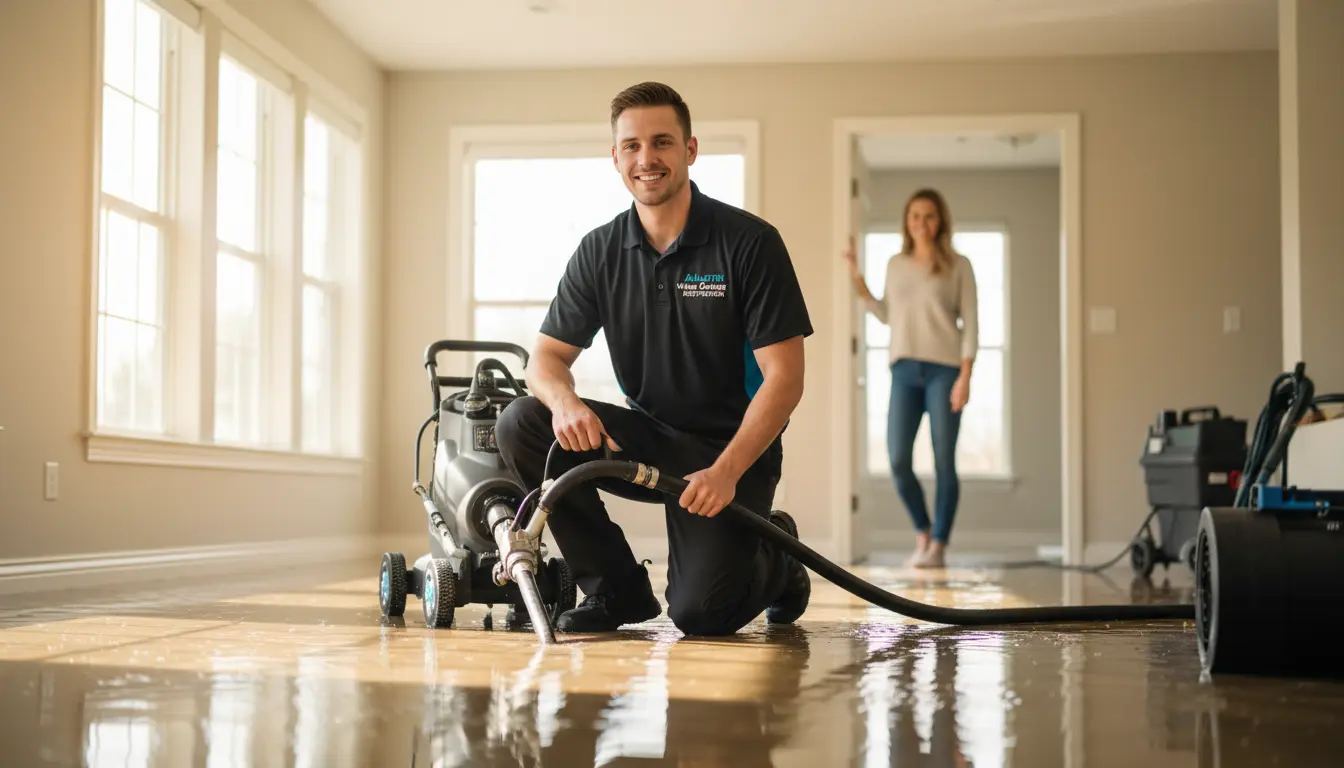
Experiencing sudden flooding in your Arlington home is a devastating and chaotic event. Whether the water stems from a violent storm system overwhelming your exterior drainage or a catastrophic internal plumbing failure, the decisions you make in the first few hours are critical. Immediate action is required to halt secondary property destruction, salvage flooring, and prevent the rapid onset of toxic microbial growth. Following an established Arlington residents checklist is your best defense against compounding financial losses.
Why Immediate Mitigation Matters Locally
Water damage in the Dallas-Fort Worth metroplex presents a unique psychrometric threat. Arlington’s humid subtropical climate ensures that once water penetrates the building envelope, it becomes trapped. Without immediate mechanical intervention, this water will not evaporate naturally. Instead, it absorbs deeply into hygroscopic materials like drywall, baseboards, and structural framing. Within 48 hours, this stagnant, high-humidity microclimate begins breaking down load-bearing wood and initiates aggressive mold amplification.
Critical First Steps to Protect Your Property
- Ensure Electrical Safety: Water and electricity are a lethal combination. Immediately shut off the main electrical breaker to the flooded zones before stepping into standing water.
- Stop the Source: If the flooding is internal (like a burst pipe or ruptured water heater), locate your home’s main water shutoff valve and turn it off instantly.
- Document the Scene: Before extracting water or moving saturated furniture, take extensive high-resolution photos and videos of the damage. This documentation is vital for a successful insurance claim.
- Elevate Furniture: Place high-density foam blocks or aluminum foil under the wooden legs of heavy furniture to prevent wood stains from permanently bleeding into wet carpets.
The Professional IICRC Restoration Process
Attempting to clean up a flood with household towels and wet-vacuums is a guaranteed path to permanent structural rot. Certified mitigation is an engineered process governed by applied psychrometrics. Understanding how to prevent flood damage is essential, but once it occurs, true restoration requires industrial intervention:
- Psychrometric Assessment: Technicians use infrared thermal imaging to trace the exact hidden migration path of the water behind your walls.
- Deep Subsurface Extraction: Industrial truck-mounted vacuums are deployed to pull thousands of gallons of standing water out of the carpets and subfloors. Review our emergency water removal guide to see this equipment in action.
- Thermodynamic Drying: Low Grain Refrigerant (LGR) dehumidifiers are placed to drop ambient humidity to extreme lows, literally ripping bound moisture from saturated wooden studs.
- Botanical Sanitization: EPA-registered antimicrobials are applied to neutralize any bacteria and prevent toxic black mold from taking root.
Performance Impact & Strategy Comparison
Choosing amateur cleanup drastically alters the recovery timeline and heavily inflates the final financial outcome of the disaster. The consolidated data table below highlights the extreme differences in performance between DIY attempts and professional structural drying.
| Recovery Strategy | Drying Timeline | Final Moisture Level | Safety & Financial Risk |
|---|---|---|---|
| DIY (Towels & Box Fans) | 1 to 2 Weeks | > 20% (Remains Damp) | Extreme (Guarantees Mold & Demolition) |
| Uncertified Handyman | 4 to 7 Days | 15% to 18% | High (Often voids carrier guidelines) |
| Professional IICRC Team | 24 to 72 Hours | < 10% (Dry Standard) | Low (Secures Property Value) |
Pricing, Security, and Biological Hazards
Floodwater that enters your home from the outside—such as overflowing creeks or heavy storm runoff—is classified as Category 3 “black water.” This liquid is heavily contaminated with soil bacteria, agricultural chemicals, and raw sewage pathogens. Exposing your family to this water poses severe health risks. Extracting Category 1 (clean) water rapidly is highly cost-effective; however, allowing it to sit until it degrades into a Category 3 biohazard forces technicians into full-scale structural demolition, inflating costs by thousands of dollars. This dynamic is exactly why professional restoration saves Arlington homeowners money in the long run.
Common Mitigation Mistakes to Avoid
- Delaying the extraction process: Waiting for an insurance adjuster to arrive before extracting standing water guarantees irreversible mold colonization and secondary swelling.
- Using standard ceiling fans: Consumer fans simply vaporize moisture into the air, drastically increasing indoor humidity and causing secondary rot in upper drywall and cabinetry.
- Ignoring hidden moisture: Assuming a floor is dry just because it feels dry to the touch, while the underlying pad and subfloor remain completely saturated.
Advanced Frequently Asked Questions
Costs scale dynamically based on severity, ranging from $1,500 for a minor clean-water leak to upwards of $7,000+ for heavily contaminated storm flooding that requires structural tear-outs and mold remediation.
Typically, no. Standard policies cover sudden internal failures, like a burst pipe. Water that enters the home from the outside (flooding) requires a specific policy through the National Flood Insurance Program (NFIP).
The active extraction and LGR dehumidification phase typically concludes within 2 to 4 days. If the walls and floors require reconstruction due to severe contamination, the total timeline can extend for several weeks.
Do not wait for structural failure or toxic mold to dictate the safety of your home. If you are dealing with a sudden flood or severe leak, rapid action is your only defense against compounding financial loss. Please contact our 24/7 rapid response dispatch today for an emergency assessment, and let our certified local experts deploy the heavy-duty extraction equipment required to secure your property.