
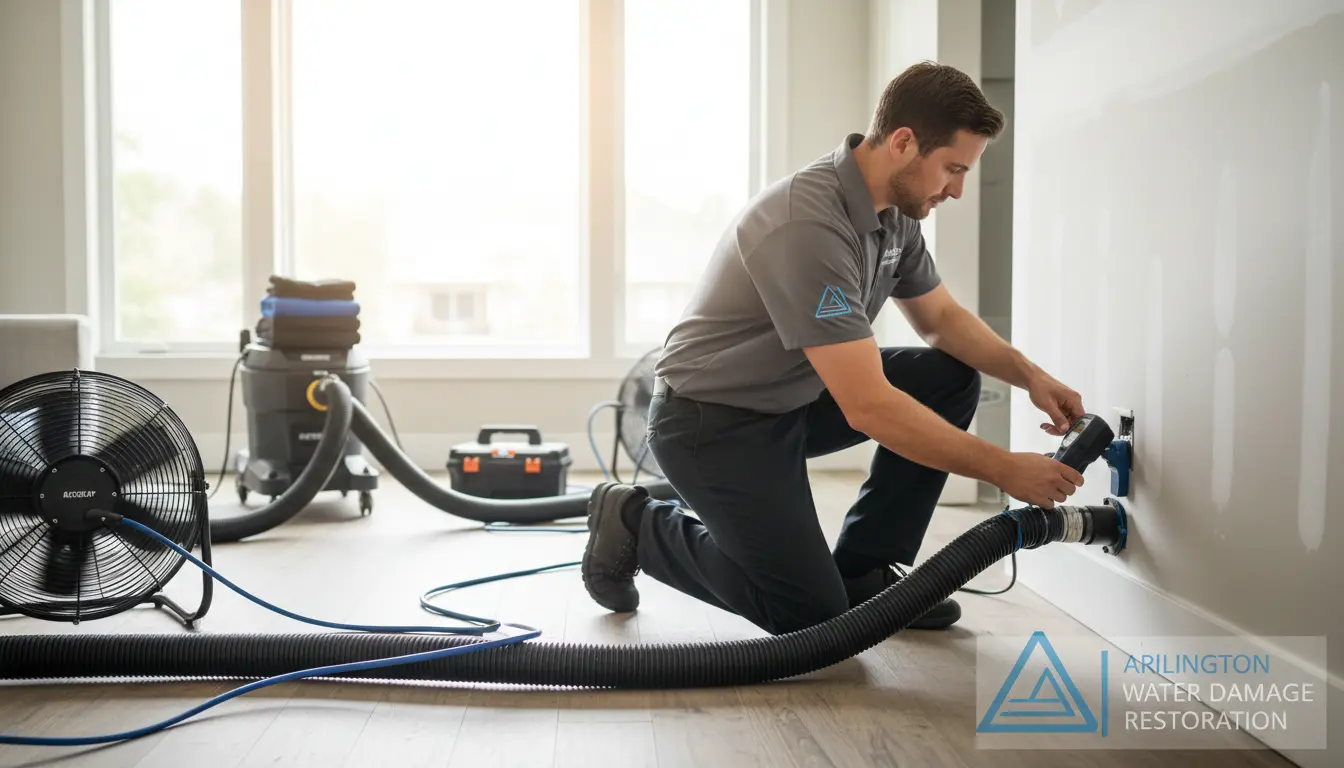
Imagine waking up to a flooded basement in your Arlington home, water seeping through the walls and ruining your prized possessions. It’s a nightmare that strikes thousands in the Dallas-Fort Worth (DFW) area every year, and the financial toll can be devastating. At Arlington Water Damage Restoration, we’ve seen firsthand how water damage can turn a minor leak into a major catastrophe. In this post, we’ll dive into the shocking statistics behind water damage costs in DFW, with a special focus on Arlington. Whether you’re in North Arlington or Downtown Arlington, understanding these numbers could save you from thousands in repairs. Stick around for practical tips to protect your property and what to do if disaster strikes.
The Rising Tide of Water Damage in DFW
Water damage isn’t just an inconvenience—it’s a multi-billion-dollar problem across the United States, and the DFW metroplex is no exception. According to the Insurance Information Institute, water damage accounts for about 23% of all property claims nationwide, but in flood-prone areas like DFW, the numbers skyrocket. In Texas alone, water-related disasters caused over $5 billion in damages in recent years, with much of that concentrated in urban hubs like Dallas, Fort Worth, and Arlington.
Average Costs: What You’ll Really Pay
Let’s get to the numbers that will make you sit up straight. The average cost of water damage restoration in the DFW area hovers around $3,500 to $5,000 for a standard residential incident, but that’s just the tip of the iceberg. For severe cases involving structural issues, costs can escalate to $10,000 or more. In Arlington, where older homes in areas like West Arlington often have outdated plumbing, a burst pipe can lead to expenses exceeding $15,000 when mold growth and electrical hazards are factored in.
One shocking stat: Hidden water damage, like slow leaks behind walls, can double repair costs because it’s often undetected until it’s too late. The National Association of Home Builders reports that undetected moisture can lead to $2,700 in annual energy losses per home due to inefficiency, but in DFW’s humid climate, it worsens quickly. For businesses in Kennedale, commercial water damage averages $25,000 per claim, disrupting operations and inventory.
Insurance Nightmares: Deductibles and Denials
Don’t count on insurance to cover everything. While most policies include water damage from sudden events like pipe bursts, gradual leaks or flood damage often fall under exclusions. In DFW, homeowners face average deductibles of $1,000 to $2,500, and claims over $10,000 can lead to premium hikes of up to 20%. A study by the Federal Emergency Management Agency (FEMA) shows that 40% of small businesses in flood zones like those near Arlington’s Trinity River never reopen after a water event, partly due to underinsurance.
Local data from Tarrant County reveals that water damage claims rose 15% in 2022, driven by heavy rains and aging infrastructure. If you’re in Downtown Arlington, where high-rises mix with historic homes, navigating these claims requires expert guidance to avoid denials.
Why Arlington Faces Unique Risks
Arlington’s location in the heart of DFW makes it particularly susceptible to water woes. Nestled between Dallas and Fort Worth, the city experiences frequent thunderstorms and proximity to the Trinity River, leading to flash flooding. In fact, the City of Arlington reports over 200 water-related emergency calls annually, many from neighborhoods like North Arlington where soil saturation is common.
Local Vulnerabilities in Key Areas
Homes in West Arlington, with their mature trees and clay-heavy soil, are prone to foundation shifts that crack pipes. Meanwhile, in Webb, rapid development has strained sewer systems, increasing overflow risks during storms. A 2023 report from the North Central Texas Council of Governments highlighted that DFW’s urban sprawl has increased impervious surfaces by 25%, exacerbating runoff and water intrusion.
For residents in Kennedale, just south of Arlington, industrial zones add contamination risks to water damage, turning a simple flood into a hazardous cleanup. These local factors mean Arlington Water Damage Restoration teams are on call 24/7, equipped to handle everything from residential floods to commercial disasters.
Shocking Statistics That Demand Attention
To drive the point home, here are some eye-opening stats specific to DFW:
- Frequency: One in four DFW homes will experience water damage in their lifetime, per the Home Safety Council.
- Speed of Damage: Mold can start growing within 24-48 hours of water exposure, adding $1,200 to $3,000 in remediation costs.
- Economic Impact: Water damage costs the U.S. $2.5 billion yearly in residential repairs, with Texas contributing 10% due to its weather patterns.
- Arlington Specific: Local claims data shows an average of $4,200 per household incident, 20% higher than the national average because of humidity and rapid response needs.
- Long-Term Effects: Untreated water damage leads to 30% higher property value loss upon sale, according to Zillow’s housing reports.
These figures underscore why prevention is key. Ignoring a small leak today could cost you a fortune tomorrow.
Practical Tips to Prevent Water Damage in Your Arlington Home
Knowledge is power, and arming yourself with prevention strategies can safeguard your property. Here are actionable tips tailored for DFW’s climate:
Regular Maintenance Routines
Start with inspecting your home quarterly. Check for leaks under sinks, around toilets, and in basements—common issues in Arlington’s older stock. Install moisture detection services to catch problems early; these tools can alert you to hidden dampness before it spreads.
For roofs, clear gutters twice a year, especially before Arlington’s rainy season. In areas like Downtown Arlington, where high winds are common, reinforce flashing around chimneys to prevent ingress.
Upgrading Your Plumbing and Appliances
Invest in water-efficient appliances and leak-proof hoses. In North Arlington homes, where hard water is prevalent, consider a whole-house water softener to reduce pipe corrosion. Schedule annual plumbing inspections; a proactive structural drying process after minor incidents can prevent escalation.
If you notice musty odors, don’t delay—opt for odor elimination treatment to neutralize smells and underlying moisture.
Emergency Preparedness Plan
Create a family plan: Know your main water shut-off valve and keep it accessible. In flood-prone spots like Kennedale, elevate valuables and install sump pumps. For carpets, which absorb water quickly in DFW humidity, learn about carpet water restoration techniques to act fast.
Insurance-wise, review your policy annually and consider flood riders, as standard plans don’t cover river overflows near Arlington.
What to Do Immediately After Water Damage Occurs
If water invades your home, time is critical. Shut off the water source and electricity to avoid shocks. Document the damage with photos for insurance, then call professionals immediately.
At Arlington Water Damage Restoration, we prioritize rapid response. For valuable papers soaked in a flood, our document drying recovery services can salvage irreplaceable items. In West Arlington, where homes are tightly packed, quick action prevents neighbor impacts.
Avoid DIY drying with fans alone—it can spread contaminants. Instead, let experts handle extraction and dehumidification to restore your space safely.
FAQ: Common Questions About Water Damage in DFW
1. How quickly should I call for water damage restoration in Arlington?
Act within the first 24 hours to minimize mold and structural damage. Delays can increase costs by 50% or more.
2. Does homeowners insurance cover all water damage types?
No, sudden accidents like burst pipes are covered, but floods or neglect aren’t. Consult your agent for specifics in the DFW area.
3. Can water damage affect my home’s health and safety?
Yes, it can lead to mold allergies, respiratory issues, and electrical fires. Professional cleanup is essential, especially in humid Arlington.
4. What’s the average time for water damage repairs in DFW?
Minor jobs take 3-5 days, but extensive ones can last weeks. Factors like location in areas like Webb influence timelines due to access.
5. How can I prevent sewer backups in my Arlington property?
Install backflow valves and avoid flushing non-degradables. Regular inspections help, particularly in older Downtown Arlington homes.
Conclusion: Don’t Let Water Damage Drown Your Finances
The stats are clear: Water damage in the DFW area, especially Arlington, is a costly threat that demands vigilance. From the $3,500 average repair bill to the hidden long-term impacts, ignoring it isn’t an option. By following our tips—from routine checks to professional interventions—you can protect your home and peace of mind.
If you’re dealing with water damage or want to safeguard your property in North Arlington, West Arlington, or beyond, Arlington Water Damage Restoration is here 24/7. Contact us today for a free assessment and expert restoration services. Don’t wait for the flood—call now and stay dry!