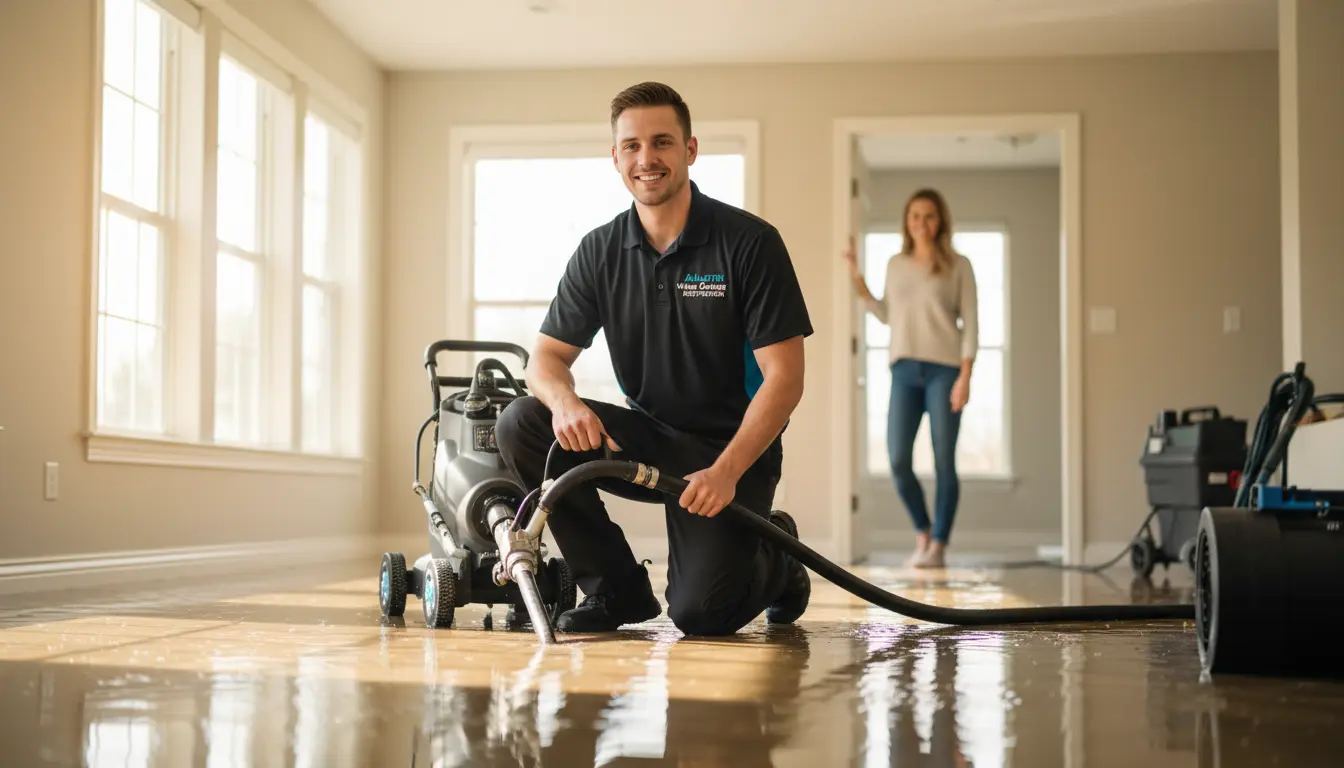
What are the most common causes of residential water damage in Arlington neighborhoods? As a property owner in the DFW metroplex, understanding these vulnerabilities is the first step toward safeguarding your investment. Water damage is rarely an isolated incident; it typically stems from a combination of aging municipal infrastructure, extreme temperature fluctuations causing pipes to expand and contract, and the immense hydrostatic pressure exerted by local clay soils. Knowing exactly how to respond when these failures occur can save you tens of thousands of dollars in secondary structural repairs.
Why Water Mitigation Dynamics Matter Locally
Arlington’s humid subtropical climate ensures that once water breaches your building envelope, natural evaporation is virtually impossible. Whether the water originates from a ruptured hot water heater, a slow AC condensate leak, or sudden flash flooding in low-lying areas, the moisture rapidly absorbs into hygroscopic materials like drywall, baseboards, and wooden studs. If this trapped water is not extracted forcefully using advanced psychrometric engineering, it establishes a high-humidity microclimate inside your walls. For a deeper understanding of these critical timelines, review our ultimate guide to water damage restoration in Arlington, TX.
Critical Signs of Hidden Intrusions
The most catastrophic water damage is often the kind you cannot see immediately. Slow leaks behind cabinetry or beneath floating floors will destroy a home’s structural integrity long before a puddle forms on the surface. Property owners must actively monitor for the 5 signs of hidden water damage in Arlington homes. These include localized spikes in indoor humidity, baseboards separating from the drywall, hardwood floors beginning to “cup” at the edges, and persistent earthy, musty odors indicating active microbial colonization.
The Professional IICRC Restoration Process
Certified mitigation goes far beyond basic cleanup. Our rapid-response teams adhere strictly to the IICRC S500 standard to halt secondary damage and stabilize the indoor environment:
- Thermal Moisture Mapping: Utilizing infrared cameras and penetrating probes to trace the exact perimeter of the water migration without unnecessary demolition.
- Deep Subsurface Extraction: Deploying truck-mounted vacuum units equipped with specialized subfloor attachments to physically extract thousands of gallons of water. Learn how this works in our step-by-step guide to emergency water removal in Arlington.
- Engineered Dehumidification: Placing Low Grain Refrigerant (LGR) dehumidifiers and high-velocity axial fans to drop the ambient humidity to extreme lows, forcing bound moisture out of saturated framing.
- Botanical Sanitization: Applying EPA-registered biocides to destroy active pathogens and establish an antimicrobial barrier against toxic black mold.
Performance Impact & Strategy Comparison
Choosing to tackle a flood yourself instead of hiring certified professionals drastically alters the recovery timeline and heavily inflates the final financial outcome of the disaster. The consolidated data table below highlights the extreme differences in performance between amateur cleanup and engineered structural drying.
| Recovery Strategy | Drying Timeline | Final Moisture Level | Structural Risk Profile |
|---|---|---|---|
| DIY Cleanup (Fans/Towels) | 1 to 2 Weeks | > 20% (Remains Damp) | High (Guaranteed Mold & Rot) |
| Uncertified Handyman | 4 to 7 Days | 15% to 18% | Medium (Risk of Secondary Swelling) |
| Professional IICRC Team | 24 to 72 Hours | < 10% (Dry Standard) | Low (Environment Stabilized) |
Pricing Variables and Financial Risk
The total investment required to restore a water-damaged property in Arlington is dictated by the water’s category (clean, grey, or black water) and how quickly the extraction process began. On average, rapid mitigation for a clean-water pipe burst ranges from $1,500 to $4,000. However, delaying extraction guarantees that clean water will degrade into a Category 3 biohazard within 48 hours. This forces technicians into full-scale structural demolition and biohazard containment, which severely inflates the cost, often pushing the final invoice well beyond $10,000.
Security, Safety, and Biological Hazards
Water intrusion introduces immediate, lethal hazards. Submerged electrical outlets create extreme electrocution risks, while saturated drywall ceilings can lose their load-bearing integrity and collapse without warning. Never wade into a flooded room without first shutting off the main electrical breaker to the affected zones. Professional technicians arrive equipped with specialized personal protective equipment (PPE) and electrical testing tools to secure the environment safely.
Common Mitigation Mistakes to Avoid
- Delaying the extraction process: Waiting to hear back from insurance adjusters before removing standing water guarantees permanent mold colonization and often leads to denied secondary damage claims.
- Using standard ceiling fans: Consumer fans simply vaporize moisture into the air, drastically increasing indoor humidity and causing secondary swelling in upper drywall and cabinetry.
- Painting over water stains: Attempting to cover up a brown ceiling stain without verifying the cavity behind it has returned to its dry standard ensures hidden framing rot.
Advanced Frequently Asked Questions
The most frequent culprits are ruptured hot water heaters, failing washing machine supply lines, and clogged AC condensate drain lines. These internal failures release water directly into wall cavities and utility closets, where it goes unnoticed until severe damage has occurred.
Most standard homeowners policies cover sudden and accidental damage, like a burst pipe or appliance rupture. They routinely deny claims stemming from long-term maintenance neglect, slow continuous leaks, or external ground flooding.
Professional extraction and the LGR dehumidification phase typically take 2 to 4 days. However, if the walls and floors require reconstruction due to severe saturation or mold, the total timeline can extend for several weeks.
Do not wait for structural failure or toxic mold to dictate the lifespan of your property. If you are dealing with a severe leak, burst pipe, or storm intrusion, fast action with modern equipment is your only defense against compounding financial losses. Please contact us today to dispatch our 24/7 rapid response team, and let our certified experts deploy the heavy-duty extraction equipment required to secure your home.