
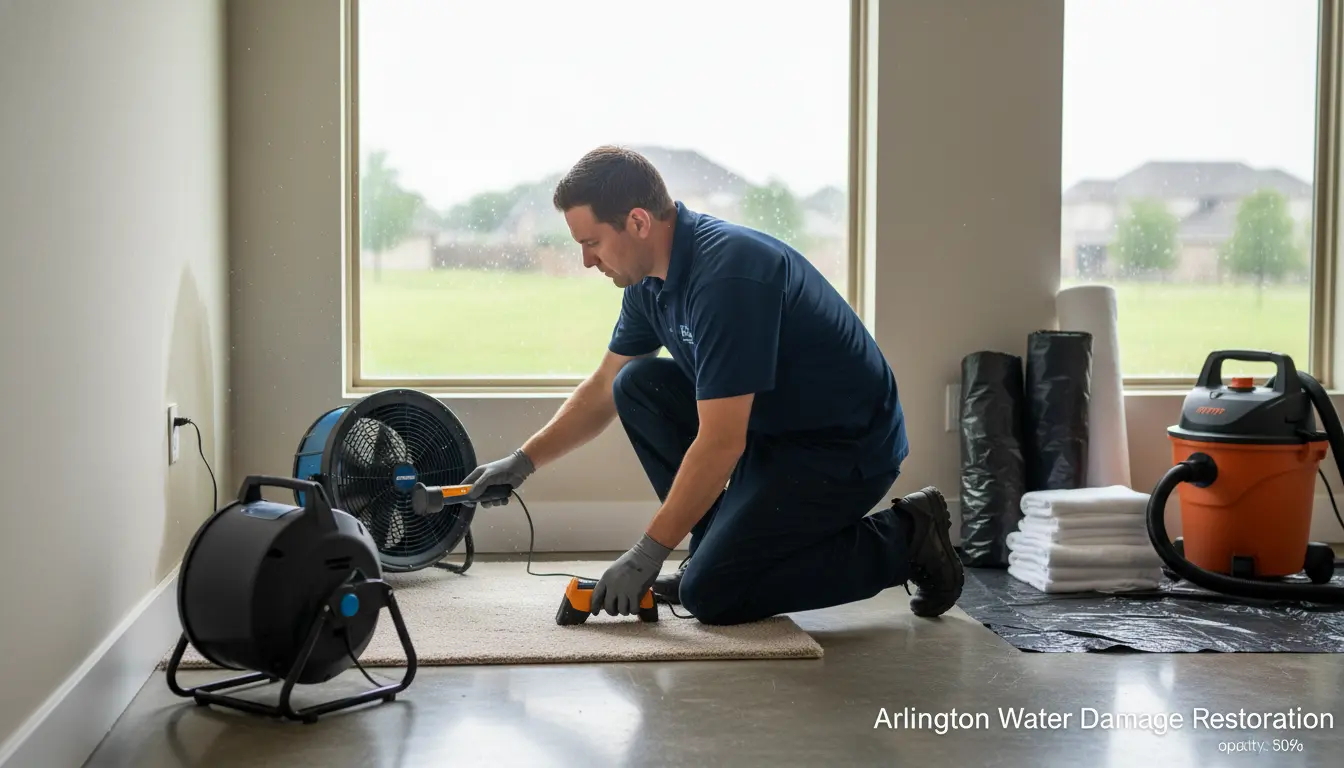
Living in Arlington, TX, means enjoying the vibrant energy of a city nestled between Dallas and Fort Worth, but it also comes with the thrill—and risk—of severe weather. From sudden thunderstorms to powerful tornadoes, storms can strike without warning, leaving behind water damage, structural issues, and costly repairs. As a leading provider of water damage restoration services, Arlington Water Damage Restoration has seen firsthand how proactive preparation can save homeowners thousands. In this guide, we’ll share practical, actionable tips to fortify your home against Arlington’s unpredictable storms. Whether you’re prepping for hail, high winds, or heavy rain, these strategies will help you minimize risks and protect what matters most.
Understanding Storm Risks in Arlington
Arlington’s location in North Texas exposes homes to a unique set of weather challenges. The region’s humid subtropical climate brings frequent spring and fall storms, often accompanied by flash flooding along the Trinity River or in low-lying neighborhoods like South Arlington. According to local meteorologists, Arlington sees an average of 50 thunderstorm days per year, with risks escalating during peak seasons.
Common Storm Damage Types
Storms here don’t just bring rain—they pack a punch with wind gusts up to 70 mph and hail the size of golf balls. Water intrusion is the biggest culprit, seeping through roofs, windows, and foundations. We’ve helped countless residents in West Arlington recover from flooded basements and warped floors after a single downpour. Other threats include fallen trees damaging siding or power lines causing electrical hazards.
By knowing these risks, you can tailor your defenses. Stay tuned to NOAA weather alerts via apps like the Arlington Emergency Management system to get ahead of incoming fronts.
Pre-Storm Preparation: Fortify Your Home
The best defense is a strong offense. Start by assessing your property’s vulnerabilities well before the skies darken. Arlington Water Damage Restoration recommends a seasonal checklist to ensure your home is storm-ready.
Inspect and Reinforce Your Roof
Your roof is the first line of defense against pounding rain and flying debris. Check for loose shingles, cracked flashing, or clogged gutters—common issues in Arlington’s clay-heavy soils that exacerbate drainage problems.
- Actionable Tip: Hire a professional roofer annually, or DIY with a ladder and binoculars. Seal gaps around vents and chimneys using silicone caulk. For added protection, install impact-resistant shingles rated for Texas winds.
- Local Insight: In neighborhoods like Mansfield, where storms often roll in from the west, reinforced roofing has prevented many structural drying needs post-event.
Secure Windows and Doors
High winds can turn everyday objects into projectiles. Board up windows with plywood if a severe storm is forecast, or invest in storm shutters for long-term peace of mind.
- Actionable Tip: Install weatherstripping around doors and windows to block water seepage. For sliding glass doors common in Arlington ranch-style homes, add metal braces to prevent blow-ins.
- Pro Advice: If damage occurs, our carpet water restoration team can quickly address any interior flooding from breached seals.
Clear Gutters and Downspouts
Arlington’s heavy rains can overwhelm poor drainage, leading to foundation erosion or interior leaks.
- Actionable Tip: Clean gutters twice a year, especially before monsoon season. Install gutter guards to keep leaves from Kennedale oaks and pecans at bay. Extend downspouts at least 5 feet from your foundation to direct water away.
During the Storm: Stay Safe and Monitor
When the storm hits, your focus shifts to safety. Hunker down in an interior room away from windows, and keep your phone charged for updates.
Protect Valuables and Electronics
Water and electricity don’t mix, especially with Arlington’s frequent lightning strikes.
- Actionable Tip: Elevate important documents and electronics on shelves or in waterproof containers. If you have a safe, use it for irreplaceable items like photos or heirlooms. For specialized recovery, consider our document drying recovery services to salvage soaked papers.
Avoid Flood-Prone Areas
Many Arlington homes near Lake Arlington or the Clear Fork are susceptible to flash floods.
- Actionable Tip: Never drive through flooded streets—turn around, don’t drown. If your basement floods, shut off utilities and evacuate to higher ground. Post-storm, watch for sewage water removal needs if backups occur.
Post-Storm Actions: Assess and Restore
The storm may pass, but the work isn’t over. Quick response prevents mold growth and further damage in Arlington’s humid aftermath.
Conduct a Damage Assessment
Walk your property once it’s safe, checking for roof punctures, cracked siding, or pooling water.
- Actionable Tip: Document everything with photos for insurance claims. Look for hidden issues like wet insulation, which can lead to long-term structural problems.
When to Call Professionals
DIY works for minor fixes, but extensive water damage requires experts. Signs include persistent odors, warped walls, or visible mold—common in Kennedale after prolonged rains.
- Actionable Tip: Contact Arlington Water Damage Restoration immediately for 24/7 emergency response. Our team uses advanced tools for thorough drying and restoration, preventing costly secondary damage.
FAQ: Storm Protection in Arlington
1. How can I prevent basement flooding in Arlington?
Focus on grading your yard to slope away from the foundation and installing sump pumps. In flood-prone areas like South Arlington, elevate appliances and use flood barriers for doors.
2. What should I do if my roof leaks during a storm?
Tarp the affected area temporarily if safe, then call a roofer. For interior water damage, professional structural drying is essential to avoid mold.
3. Are storm shutters necessary for Arlington homes?
Not always, but they’re highly recommended for severe weather. Alternatives like impact glass windows offer protection without the hassle.
4. How quickly should I address water damage after a storm?
Within 24-48 hours to prevent mold. Delays can lead to health risks and higher repair costs—reach out to us for prompt service.
5. Does homeowners insurance cover storm damage in Texas?
Yes, typically for wind and hail, but floods require separate coverage via NFIP. Review your policy and file claims promptly.
Conclusion: Stay Prepared with Arlington Water Damage Restoration
Storms in Arlington, TX, are a force of nature, but with these top tips—from roof reinforcements to post-storm protocols—you can protect your home and family effectively. Remember, preparation today saves headaches tomorrow. If you’ve experienced water damage or need a vulnerability assessment, don’t hesitate to contact Arlington Water Damage Restoration. Our local experts are here to serve West Arlington, Mansfield, and beyond with reliable, compassionate restoration. Call us at (817) 670-9404 or visit our site for a free consultation. Stay safe, Arlington!