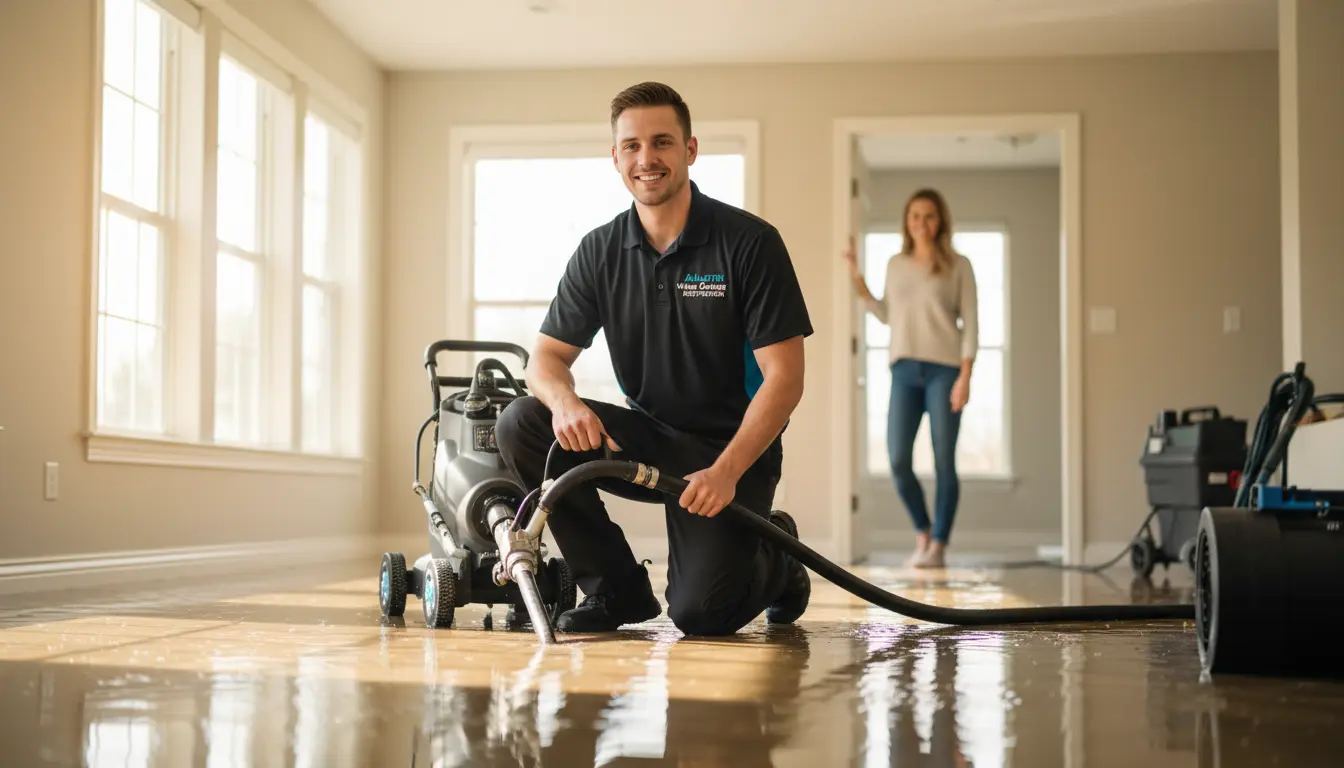
As a property owner in Arlington, Texas, understanding the latest technical trends in structural drying is critical to protecting your real estate investment. As we move deeper into 2026, the DFW metroplex is experiencing more volatile weather patterns, leading to increased flash flooding and sudden plumbing infrastructure failures. Traditional methods of simply vacuuming up water are no longer sufficient to meet modern insurance standards or prevent toxic microbial growth.
Today, advanced psychrometric science drives the industry. Certified mitigation experts utilize state-of-the-art thermal imaging and high-velocity engineered dehumidification to save building materials that would have been demolished just a decade ago. For a comprehensive technical deep-dive into how these modern standards are applied locally, review our ultimate guide to water damage restoration in Arlington, TX.
Why Advanced Water Mitigation Matters Locally
Arlington’s humid subtropical climate is highly unforgiving when it comes to indoor moisture. Once water breeches your building envelope, the ambient environmental humidity prevents natural evaporation. This traps water inside wall cavities, beneath hardwood flooring, and inside your HVAC ductwork. If this moisture is not forcefully extracted using thermodynamic manipulation, the structural framing of your home will begin to suffer from dry rot within days.
Identifying Hidden Saturation
In 2026, relying on visual inspection alone is considered an obsolete and dangerous practice. Surface water represents only a fraction of the actual threat. Modern protocols demand the use of non-penetrating moisture meters and infrared thermography to map the hidden migration of water behind drywall. By identifying localized humidity spikes and temperature differentials early, technicians can deploy targeted drying systems before the baseboards separate or the hardwood begins to violently buckle.
The 2026 Professional Restoration Protocol
Certified restoration teams follow a strict, multi-phase operational protocol to stabilize the indoor environment. The focus has shifted from demolition to high-tech preservation:
- Digital Psychrometric Mapping: Utilizing smart sensors to continuously monitor the relative humidity, temperature, and specific grains per pound (GPP) of the affected areas.
- Deep Subsurface Extraction: Deploying truck-mounted vacuum units equipped with specialized subfloor attachments to physically extract thousands of gallons of water from the pad without pulling up the carpet.
- Engineered Dehumidification: Utilizing modern Low Grain Refrigerant (LGR) dehumidifiers that can push the indoor air to extreme dry standards, literally ripping bound moisture from saturated studs. Follow our technical emergency water removal guide to see this equipment in action.
- Botanical Sanitization: Applying advanced EPA-registered botanical antimicrobials that destroy mold spores without introducing harsh, volatile organic compounds (VOCs) into your breathable air.
Performance Impact & Strategy Comparison
Attempting to handle a flood yourself using outdated methods drastically alters the recovery timeline and inflates the final financial outcome of the disaster. The consolidated data table below highlights the extreme differences in performance between amateur cleanup and 2026-engineered structural drying.
| Recovery Strategy | Drying Timeline | Final Moisture Level | Structural Risk Profile |
|---|---|---|---|
| DIY Cleanup (Fans & Towels) | 1 to 2 Weeks | > 20% (Remains Damp) | High (Guaranteed Mold & Rot) |
| Uncertified Handyman | 4 to 7 Days | 15% to 18% | Medium (Risk of Secondary Swelling) |
| Modern IICRC LGR Drying | 24 to 48 Hours | < 10% (Dry Standard) | Low (Environment Secured) |
Pricing Variables and Cost Factors
The total investment required to restore a water-damaged property in Arlington is dictated by the water’s category (clean, grey, or black water) and how quickly the extraction process began. On average, rapid mitigation can range from $1,500 to $4,000. However, delaying extraction guarantees the need for structural demolition and biohazard containment, which severely inflates the cost. For a deeper understanding of local financial impacts, review the shocking stats on water damage costs in the DFW area.
Security, Safety, and Biological Hazards
Water damage introduces extreme hazards, including raw sewage contamination and electrical shock risks. If clean water sits for more than 48 hours, it degrades into a Category 3 biohazard, becoming a breeding ground for toxic molds like Stachybotrys chartarum. It is absolutely essential to work with certified professionals who wear proper PPE and establish negative-air containment zones to protect your breathable air.
Common Mitigation Mistakes to Avoid
- Delaying the extraction process: Waiting for an insurance adjuster to call back before extracting standing water guarantees mold amplification and potential claim denials.
- Using standard ceiling fans: Consumer fans simply vaporize moisture into the air, drastically increasing indoor humidity and causing secondary damage to upper drywall.
- Ignoring hidden moisture: Assuming a floor is dry just because it feels dry to the touch, while the underlying subfloor remains completely saturated.
Advanced Frequently Asked Questions
Standard mitigation for clean water ranges from $3 to $7 per square foot. However, highly contaminated flooding that requires structural tear-outs, mold remediation, and complete biohazard sanitization will significantly increase the total invoice.
Professional extraction and the active LGR dehumidification phase typically take 2 to 4 days. If the walls, floors, and baseboards require full reconstruction, the total timeline can span several weeks.
Most standard homeowners policies cover sudden and accidental damage, like a burst pipe or appliance rupture. They routinely deny claims stemming from long-term maintenance neglect or external ground flooding, which requires a separate NFIP policy.
Do not let trapped moisture dictate the lifespan of your property or the respiratory health of your family. If you are dealing with a severe leak or storm intrusion, fast action with modern equipment is your only defense against compounding financial losses. Please contact our 24/7 rapid response team today for a free assessment, and let our certified experts deploy the heavy-duty extraction equipment required to secure your home.