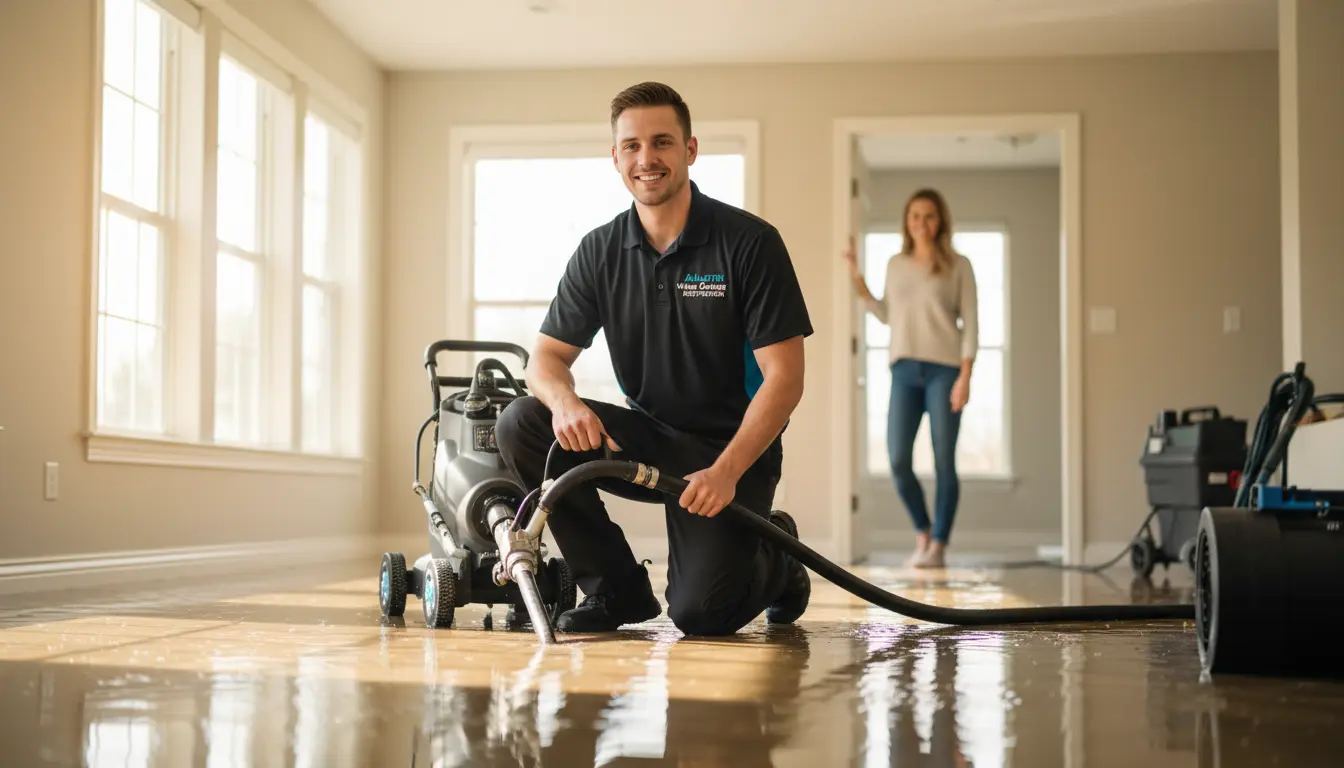
Water damage restoration is a highly technical, time-sensitive process that requires immediate mechanical intervention to prevent catastrophic structural degradation. In Arlington, TX, violent storm systems, expansive clay soil pressure, and sudden pipe ruptures frequently compromise residential building envelopes. When moisture is introduced into this humid subtropical environment, natural evaporation is virtually impossible. As a homeowner, it is essential to understand why water damage restoration is crucial to your property’s survival, and why amateur cleanup attempts so often lead to devastating secondary damage.
Why Immediate Structural Mitigation Matters Locally
The DFW metroplex presents a unique psychrometric challenge. When water penetrates hygroscopic materials like drywall, baseboards, and structural framing, the ambient indoor humidity causes that moisture to become trapped. Within 48 hours, this stagnant water triggers severe structural rot, delaminates subflooring, and initiates the amplification of toxic black mold (Stachybotrys chartarum). Addressing the intrusion quickly with industrial-grade equipment is the only scientifically proven way to halt this compounding destruction and secure your property value.
Identifying Silent Moisture Intrusion
Surface water is deceiving; the most severe damage occurs where you cannot see it. Moisture rapidly migrates beneath floating floors and wicks vertically up the interior of wall cavities. While visible stains and warping are obvious, you must aggressively monitor for hidden water damage. Critical red flags include localized spikes in indoor humidity, baseboards pulling away from the drywall, and persistent musty, earthy odors that indicate active mold colonies feeding on your home’s framing.
The Professional IICRC Restoration Process
Attempting to dry a saturated home with towels and shop-vacs is a guaranteed recipe for a failed restoration job. Certified technicians follow a strict, multi-phase protocol to completely stabilize the indoor environment:
- Psychrometric Assessment: Utilizing infrared thermography and penetrating moisture probes to map the exact perimeter of the water migration.
- Deep Water Extraction: Deploying truck-mounted vacuum units to physically remove thousands of gallons of standing water from the pad and subfloor.
- Engineered Dehumidification: Placing Low Grain Refrigerant (LGR) dehumidifiers and high-velocity axial fans to force bound moisture out of saturated framing.
- Botanical Sanitization: Applying EPA-registered antimicrobials to neutralize pathogens and destroy mold spores before they can colonize.
Performance Impact & Strategy Comparison
Choosing to tackle a flood yourself instead of hiring certified professionals drastically alters the recovery timeline and financial outcome of the disaster. The consolidated data tables below highlight the extreme differences in performance between amateur cleanup and engineered structural drying.
| Performance Metric | Without Mitigation (DIY) | With Professional LGR Drying | Improvement Outcome |
|---|---|---|---|
| Active Drying Timeline | 5 to 14 Days | 1 to 3 Days | Accelerated by up to 70% |
| Structural Moisture Levels | 40% – 50% (Saturated) | < 10% (Dry Standard) | Prevents Dry Rot Entirely |
| Microbial & Mold Risk | Extremely High | Eliminated | Secures Indoor Air Quality |
Pricing, Safety, and Financial Risks
The cost of emergency mitigation is directly tied to the water category (clean vs. contaminated) and the total square footage affected. On average, standard extraction and drying range from $3 to $10 per square foot. While DIY cleanup might seem free initially, it almost always results in hidden mold. This voids insurance coverage and necessitates a total structural tear-out later on—costing tens of thousands of dollars.
| Cleanup Option | Initial Cost Estimate | Average Timeline | Effectiveness & Safety Risk |
|---|---|---|---|
| DIY Cleanup (Fans/Towels) | $100 – $500 | 1 to 2 Weeks | Low Effectiveness / Extreme Mold Risk |
| Uncertified Handyman | $1,000 – $2,000 | 4 to 7 Days | Medium / Voids Carrier Guidelines |
| Professional IICRC Team | $2,000 – $5,000 | 1 to 3 Days | High / Property Secured & Sanitized |
Security and Biohazard Safety
Water intrusion introduces immediate, lethal hazards. Submerged electrical outlets create extreme electrocution risks, and floodwater entering from the outside (Category 3) contains raw sewage pathogens and agricultural chemicals. It is absolutely essential to prioritize your family’s safety by shutting off main electrical breakers and utilizing certified professionals equipped with proper PPE to handle these biohazards safely.
Pro Tips for Property Preservation
The golden rule of property preservation is rapid response. Your first action should always be locating your main water shutoff valve to stop the active flow. Document the entire scene with high-resolution photos for your insurance adjuster before the water is extracted. Most importantly, deploy an emergency water removal unit within the first 24 hours to halt secondary damage before it destroys your cabinetry and framing.
Common Mitigation Mistakes to Avoid
- Delaying the extraction: Waiting to hear back from insurance adjusters before removing standing water guarantees permanent mold colonization.
- Using standard box fans: Consumer fans simply vaporize moisture into the air, drastically increasing indoor humidity and causing secondary swelling in upper drywall.
- Ignoring hidden moisture: Assuming a floor is dry just because it feels dry to the touch, while the underlying subfloor remains completely saturated.
- Hiring uncertified contractors: Utilizing laborers who lack the specialized psychrometric training necessary to verify that your home has actually returned to its dry standard.
Advanced Frequently Asked Questions
Costs scale dynamically based on severity, ranging from $1,500 for a minor clean-water leak to upwards of $7,000+ for heavily contaminated flooding that requires structural tear-outs and mold remediation.
Professional extraction and the active LGR dehumidification phase typically take 1 to 3 days. However, if the walls and floors require reconstruction and repainting, the total timeline can extend for several weeks.
Yes, most standard homeowners insurance policies cover sudden and accidental water damage, such as a burst pipe. However, they strictly require the homeowner to mitigate further damage immediately; failing to do so can result in denied claims.
Mitigation is the emergency process of extracting water and drying the structure to prevent mold from growing. Remediation is required when mitigation fails or is delayed, involving the physical containment, removal, and chemical destruction of established mold colonies.
Do not wait for structural failure or toxic mold to compromise the safety of your home. If you are dealing with a flood or severe leak, fast action is your only defense. Contact our rapid response dispatch today for a 24/7 assessment, and let our certified experts deploy the heavy-duty extraction equipment required to save your property.