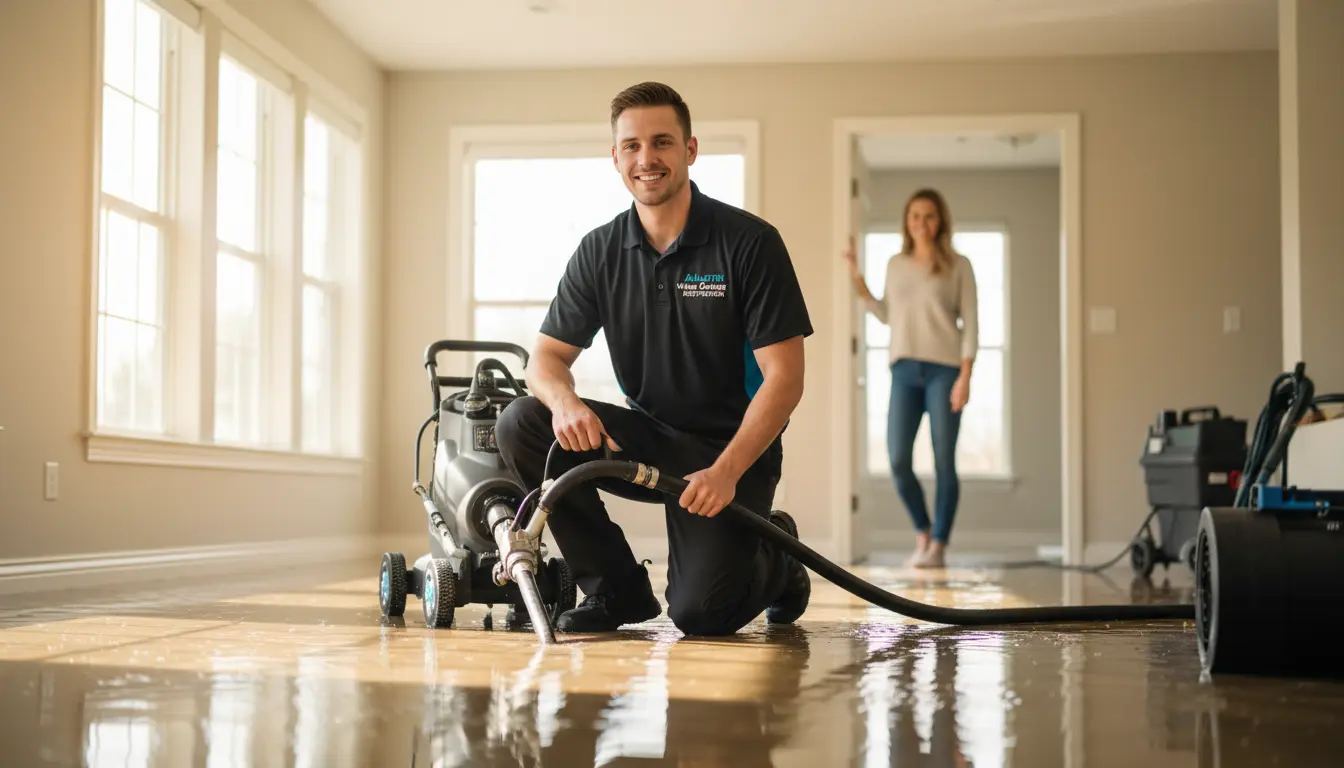
When sudden water damage strikes a home in Arlington, Texas, managing the physical destruction is only half the battle. Navigating the complex landscape of homeowners insurance claims requires precision, rapid documentation, and a clear understanding of your policy’s limitations. In the DFW metroplex, the line between a fully covered claim and a devastating denial often comes down to how quickly you mitigate the damage and how accurately the initial loss is recorded.
Understanding Coverage Limitations in Arlington
Insurance carriers operate under strict guidelines regarding what constitutes a valid claim. Standard policies typically cover “sudden and accidental” water damage, such as a ruptured hot water heater, a burst supply line, or an overflowing washing machine. However, they are highly likely to deny claims stemming from gradual leaks, long-term maintenance neglect, or external floodwaters entering the building envelope. To comprehend the full scope of property threats and mitigation requirements, homeowners should review the ultimate guide to water damage restoration in Arlington, TX.
The Burden of Proof and Immediate Action
As the policyholder, the burden of proof rests entirely on you. When a loss occurs, your insurance contract legally obligates you to prevent the damage from compounding. If a pipe bursts and you wait days to extract the standing water, the insurance adjuster will likely deny coverage for the resulting mold and structural rot. Recognizing the top causes of water damage in Texas homes allows you to identify vulnerabilities early and document the sudden nature of an emergency when it happens.
The Claims and Professional Mitigation Process
Filing a successful claim requires marrying rigorous documentation with professional IICRC-certified mitigation. Attempting to dry the home yourself with household fans often voids your coverage because it fails to meet the industry’s dry standards. Follow these critical steps to secure your claim:
- Halt the Source: Immediately shut off the main water valve to prevent further saturation.
- Document the Scene: Take extensive, high-resolution videos and photographs of the standing water and damaged belongings before moving anything. Use our Arlington residents’ water damage checklist to ensure you don’t miss crucial evidence.
- Deploy Certified Mitigation: Contact a professional extraction team within 24 hours to physically remove the water and establish an engineered drying perimeter using LGR dehumidifiers.
- File the Claim: Contact your agent with your policy number, incident date, and the professional mitigation dispatch report to officially open your claim.
Financial Impact and Strategy Comparison
Insurance adjusters rely on sophisticated software to calculate repair payouts. If you utilize uncertified handymen or attempt a DIY cleanup, the adjuster will severely undervalue the required repairs because professional psychrometric data is missing. The data table below highlights how different cleanup strategies impact your financial liability and claim success.
| Recovery Strategy | Insurance Claim Impact | Drying Timeline | Long-Term Financial Risk |
|---|---|---|---|
| DIY Cleanup (Fans/Towels) | High Risk of Denial | 1 to 2 Weeks | Extreme (Out-of-pocket mold repair) |
| Uncertified Handyman | Partial Coverage (Disputed) | 4 to 7 Days | High (Fails to meet dry standards) |
| Professional IICRC Team | Fully Supported by Data | 1 to 3 Days | Low (Costs generally covered) |
Security, Safety, and Common Claim Mistakes
Water intrusion creates immediate safety hazards, including submerged electrical outlets and the rapid onset of Category 3 biohazards if the water sits for more than 48 hours. Never compromise your safety to salvage an item. Furthermore, never throw away damaged materials—like saturated carpet padding or ruined drywall—until the insurance adjuster has physically inspected them or given you explicit written permission to dispose of them.
Advanced Frequently Asked Questions
No. In fact, waiting is the worst thing you can do. Your policy requires you to mitigate further damage immediately. You should dispatch a certified extraction team to remove the standing water and stabilize the environment while you wait for the adjuster’s formal visit. See our step-by-step guide to emergency water removal in Arlington to understand this critical timeline.
Standard homeowners insurance covers water that originates inside the home, such as a burst supply line or ruptured water heater. If the water originates from outside—such as a swelling creek, heavy storm runoff, or a hurricane—it is classified as a flood and is only covered if you possess a separate National Flood Insurance Program (NFIP) policy.
No. By law in Texas, you have the absolute right to choose the certified restoration contractor you feel most comfortable with. While the carrier may recommend a vendor, the final decision on who restores your home belongs to you.
Mold coverage is heavily restricted in Texas. If the mold resulted directly from a sudden, covered water loss that was mitigated quickly but still resulted in spores, you may have limited coverage. However, if the mold resulted from a slow, hidden leak over several months, the claim will almost certainly be denied.