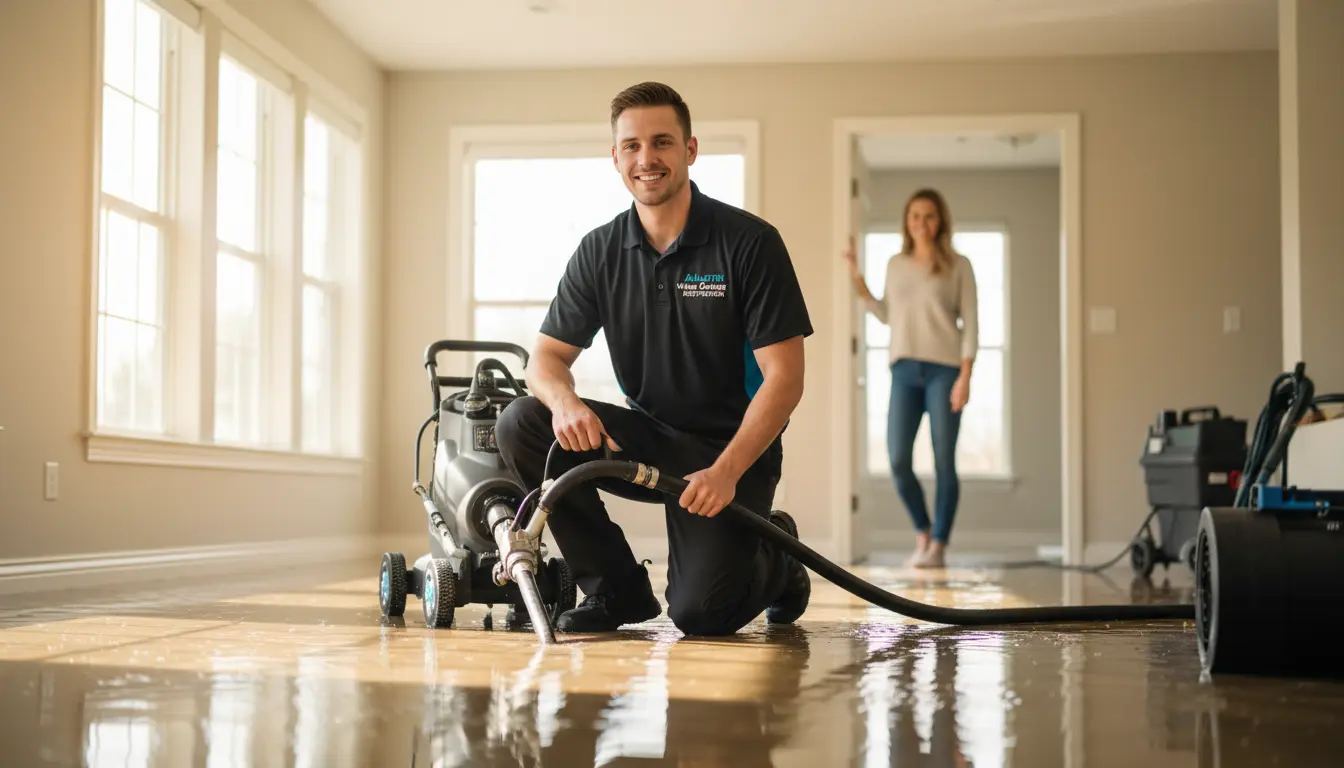
Water damage can strike your property at any moment, causing rapid structural degradation and triggering severe mold growth in a matter of hours. The combination of aging residential plumbing and Arlington’s volatile storm season means that homeowners must be prepared to respond instantly. When high humidity traps moisture inside your building envelope, natural evaporation becomes impossible, making rapid, professional mitigation an absolute necessity.
Why Water Damage Restoration Matters Locally
In the DFW metroplex, standing water is more than just a temporary inconvenience; it is a catalyst for permanent structural failure. When water permeates hygroscopic materials like drywall, baseboards, and wooden framing, it severely compromises the load-bearing integrity of your home. To understand the full scope of local environmental risks and recovery protocols, review our ultimate guide to water damage restoration in Arlington, TX.
Signs You Need Immediate Restoration
Surface puddles are rarely the primary threat. Hidden moisture migrates rapidly, finding the path of least resistance beneath floating floors and behind cabinetry. Property owners must monitor closely for the 5 signs of hidden water damage in Arlington homes, which include baseboards separating from the wall, unexplained spikes in indoor humidity, and persistent earthy odors indicating active microbial colonization.
The Professional IICRC Restoration Process
True restoration relies on advanced psychrometric science, not just wet-vacuums and household towels. Our certified mitigation teams deploy a strict operational protocol to halt secondary damage and secure the environment:
- Psychrometric Inspection: Mapping the exact moisture footprint using non-penetrating meters and thermal imaging cameras.
- Deep Extraction: Utilizing truck-mounted vacuums to physically remove thousands of gallons of standing water, drastically reducing drying times.
- Engineered Dehumidification: Placing Low Grain Refrigerant (LGR) dehumidifiers to pull bound moisture from saturated studs and subflooring.
- Botanical Sanitization: Applying EPA-registered antimicrobials to neutralize pathogens and prevent toxic black mold amplification.
Mitigation Performance and Impact
Opting for a certified extraction process profoundly alters the trajectory of a flood disaster. The table below illustrates the extreme performance impact of our engineered drying services compared to standard ambient drying conditions.
| Performance Metric | Without Mitigation | With Professional Drying | Improvement Outcome |
|---|---|---|---|
| Active Drying Timeline | 7 to 14 Days | 24 to 72 Hours | Accelerated by up to 70% |
| Structural Moisture Content | > 25% (Saturated) | < 10% (Dry Standard) | Prevents Dry Rot Entirely |
| Microbial/Mold Risk | Guaranteed after 48 Hrs | Eliminated | Secures Indoor Air Quality |
Pricing and Financial Considerations
Mitigation costs scale directly with the severity of the loss, the category of the water (clean, grey, or black), and the total square footage affected. On average, rapid response minimizes out-of-pocket expenses by saving carpets, pads, and drywall from requiring total demolition. Failing to extract water quickly forces technicians to implement costly biohazard containment and structural tear-outs.
Comparison with Alternative Cleanup Methods
Attempting a DIY cleanup or hiring uncertified laborers introduces massive financial and health risks. The following data highlights why professional intervention is the only safe choice for restoring a flooded property.
| Cleanup Option | Estimated Cost | Average Time | Effectiveness & Safety Risk |
|---|---|---|---|
| DIY Cleanup (Fans/Towels) | $500 – $1,000 | 1 to 2 Weeks | Low Effectiveness / High Mold Risk |
| Uncertified Handyman | $1,000 – $2,500 | 4 to 7 Days | Medium / Voids Insurance Standards |
| Professional IICRC Team | $2,000 – $5,000 | 1 to 3 Days | High / Property Secured & Sanitized |
Local Regulations and Security Standards
Water damage introduces extreme hazards, including raw sewage contamination, electrocution risks, and structural collapses. Our response teams strictly adhere to the IICRC S500 guidelines, ensuring full compliance with local Arlington safety codes and major homeowner insurance regulations. We establish negative-air containment zones to ensure aerosolized contaminants do not enter your breathable living space.
Pro Tips for Property Preservation
The single most important action you can take is to respond quickly, ideally securing an emergency water removal unit within the first 24 hours. Shut off the main water valve immediately to stop the active flow, and disconnect electricity to the flooded rooms. Document the entire scene with high-resolution photos for your insurance adjuster before any standing water is extracted or furniture is moved.
Common Mitigation Mistakes to Avoid
- Delaying the cleanup process: Waiting for an insurance adjuster to call back before extracting water allows irreversible mold colonization.
- Using standard box fans: Consumer fans simply vaporize moisture into the air, drastically increasing indoor humidity and destroying upper drywall.
- Ignoring hidden moisture: Assuming a carpet is dry just because it feels dry to the touch, while the underlying pad remains fully saturated.
- Hiring uncertified contractors: Utilizing laborers who lack the specialized psychrometric equipment necessary to verify that structural materials are actually dry.
Frequently Asked Questions
The active extraction and dehumidification phase typically takes 1 to 3 days. However, if structural tear-out and reconstruction (like new floors and baseboards) are required, the full timeline can extend for a few weeks.
Most standard homeowners policies cover sudden and accidental water damage, such as a burst pipe or an overflowing water heater. They do not typically cover damage resulting from long-term neglect or external ground flooding without a specific NFIP flood policy.
If the carpet was saturated by clean water and extracted within 24 hours, it can often be salvaged. However, if it was flooded by sewage or storm runoff (Category 3), it must be removed and discarded by law due to extreme biohazard contamination.
Do not wait for structural failure or toxic mold to dictate the lifespan of your property. If you are dealing with a severe leak or sudden flooding, fast action is your only defense against compounding financial losses. Reach out via our contact us page today for a free estimate, and let our certified 24/7 emergency response experts deploy the heavy-duty equipment required to secure your home.