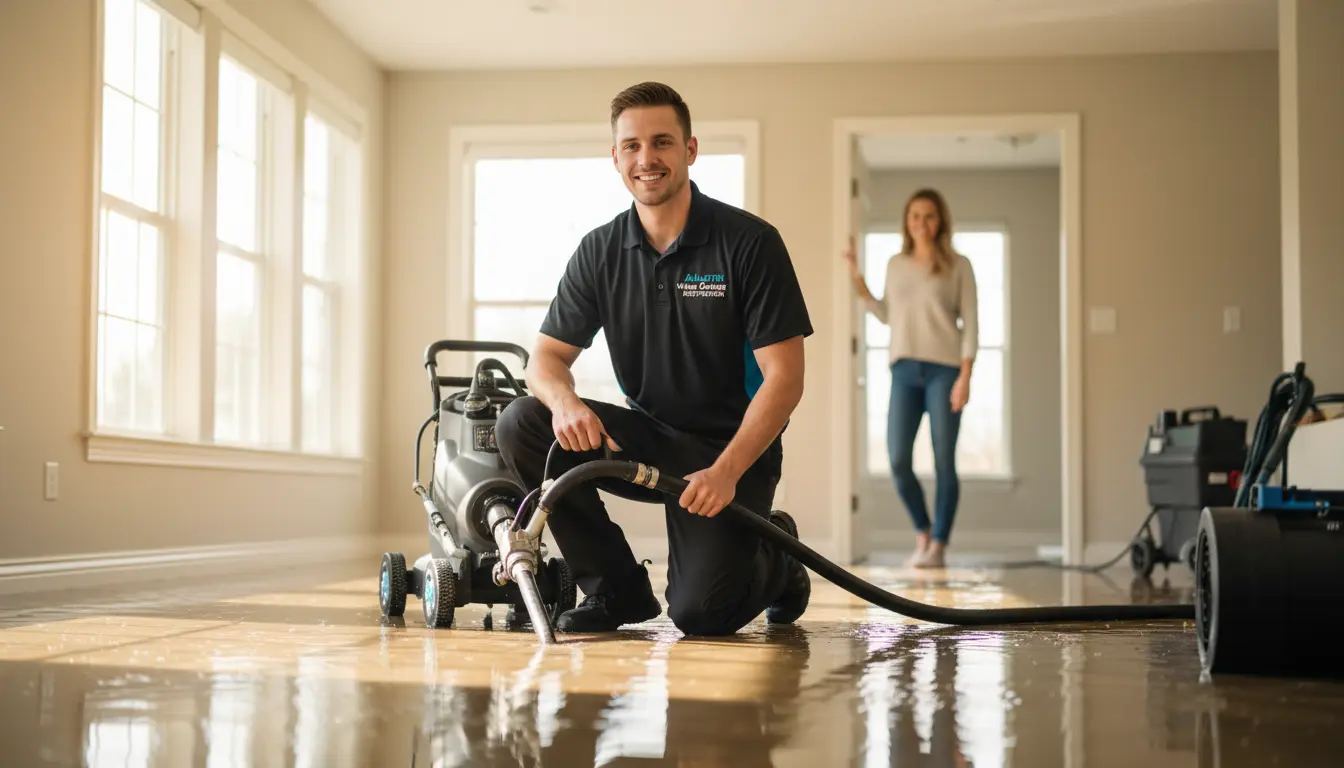
Discovering reliable water damage cleanup near you with an immediate, 24/7 response time is the single most critical step in minimizing property destruction. When a pipe bursts or flooding occurs, moisture rapidly permeates hygroscopic building materials like drywall, baseboards, and structural framing. If saturation is not addressed immediately, you risk irreversible structural decay and the rapid onset of toxic mold. For residents seeking definitive solutions, understanding the protocols for water damage restoration in Arlington, TX is essential to protecting your property investment.
Why Immediate Water Mitigation Matters Locally
The humid, subtropical climate of North Texas creates a uniquely volatile environment for interior water damage. Because the ambient outside air is already thick with moisture, trapped indoor water cannot naturally evaporate. This environmental factor severely accelerates the timeline for secondary damage, turning a simple leak into a major structural hazard. It is highly recommended to educate yourself on the top causes of water damage in Texas homes so you can identify plumbing vulnerabilities before they result in a catastrophic indoor flood.
Critical Signs You Need Emergency Cleanup
Often, the most severe water damage is entirely hidden behind your walls. You must look beyond obvious puddles on the floor. Key indicators include visible water stains expanding across the ceiling, baseboards separating from the wall, and the sudden buckling or cupping of hardwood floors. Furthermore, if you detect a persistent earthy or musty odor, moisture has likely already triggered microbial amplification. In these instances, relying on a professional who utilizes penetrating moisture meters and thermal imaging cameras is mandatory.
The Professional Restoration Process
Standard wet-vacuums and household towels are completely ineffective against deep structural saturation. Certified mitigation teams follow a strict, science-backed psychrometric process to restore your environment. This begins with an inspection to map the moisture perimeter, followed by heavy-duty extraction using truck-mounted units. Once standing water is removed, technicians deploy Low Grain Refrigerant (LGR) dehumidifiers and industrial air movers to force bound moisture out of your framing, finishing with an EPA-approved botanical sanitization.
Performance Impact & Strategy Comparison
Choosing to handle a flood yourself instead of hiring certified professionals drastically alters the recovery timeline and financial outcome of the disaster. The consolidated data table below highlights the extreme differences in performance between amateur cleanup and engineered structural drying.
| Mitigation Method | Average Drying Time | Final Moisture Level | Effectiveness & Risk Profile |
|---|---|---|---|
| DIY Cleanup (Fans & Towels) | 1 to 2 Weeks | 20% – 30% (Remains Damp) | Low Effectiveness / High Mold Risk |
| Professional Extraction & LGR Drying | 1 to 3 Days | 5% – 10% (Dry Standard) | High Effectiveness / Property Secured |
Security, Safety, and Pro Tips
Water mitigation costs are directly tied to the category of the water intrusion and the elapsed time before extraction begins. Clean water degrades into a Category 3 biohazard within 48 hours, introducing extreme safety risks including the threat of electrocution, bacterial infections, and exposure to toxic mold spores. Your first action should always be locating your main water shutoff valve to stop the active flow.
To stabilize the environment and prevent irreversible rot, deploy our emergency water removal team within the first 24 hours. Ensure the safety of your family by turning off electricity to affected zones, and document the entire scene with photos for your insurance adjuster before the water is extracted.
Common Mitigation Mistakes to Avoid
- Delaying the cleanup process: Waiting to hear back from insurance adjusters before extracting standing water allows mold to permanently colonize the property.
- Using box fans instead of dehumidifiers: Standard fans simply vaporize the water into the air, drastically increasing indoor humidity and causing upper-level mold growth.
- Ignoring hidden moisture: Assuming a carpet is dry just because it feels dry to the touch, while the underlying pad and subfloor remain completely saturated.
- Hiring uncertified contractors: Utilizing handymen who lack the specialized psychrometric training necessary to verify the home has returned to its dry standard.
Frequently Asked Questions
Costs scale dynamically based on the severity of the damage, ranging anywhere from $1,500 for a minor clean-water leak to upwards of $7,000+ for heavily contaminated flooding that requires structural tear-outs and mold remediation.
Professional extraction and the active LGR dehumidification phase typically take 3 to 5 days. However, if the walls and floors require reconstruction and repainting, the total timeline can extend for several weeks.
Yes, most standard homeowners insurance policies cover sudden and accidental water damage, such as a burst pipe or an overflowing water heater. However, they typically do not cover damage resulting from long-term neglect or external flooding without a specific flood insurance rider.
Do not wait for structural failure or toxic mold to compromise the safety of your home. If you are dealing with a flood or severe leak, fast action is your only defense. Get a free estimate today and let our certified 24/7 emergency response experts deploy the heavy-duty extraction equipment required to save your property.